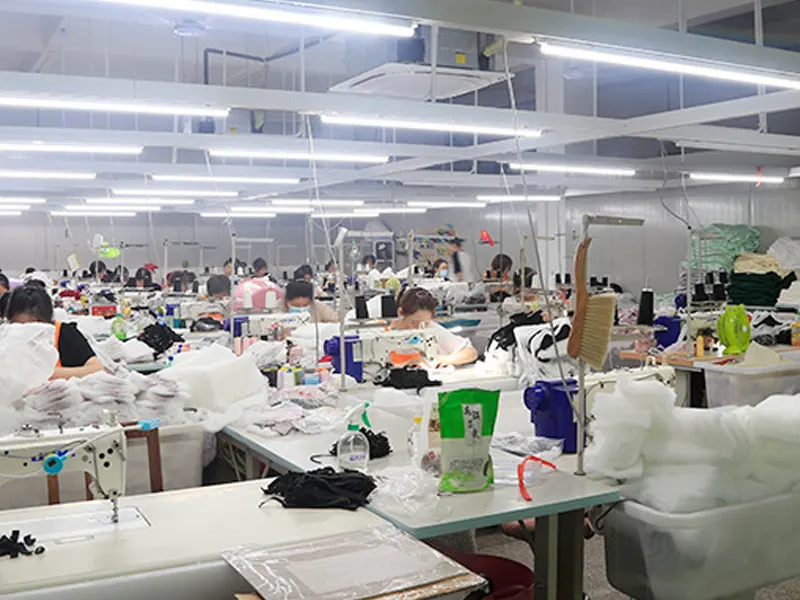

Here is a comprehensive, B2B-optimized guide and framework designed for international home textile buyers, sourcing managers, and procurement professionals looking to streamline their wholesale pillow purchasing.
In the global B2B manufacturing and hospitality sectors, sourcing commercial-grade pillows—whether memory foam, latex, or down alternative—is a high-stakes balancing act. A single procurement cycle can involve tens of thousands of units, complex international logistics, strict compliance standards (such as CertiPUR-US®, OEKO-TEX® Standard 100, or BSCI), and volatile raw material costs.
A flawed Request for Quote (RFQ) or a loosely tracked budget spreadsheet doesn’t just lead to minor financial discrepancies; it causes catastrophic supply chain delays, substandard product quality, and massive margin erosion.
This guide breaks down the essential technical parameters of a professional pillow RFQ, details how to build an airtight procurement budget spreadsheet, and provides a fully customizable framework you can copy directly into Microsoft Excel or Google Sheets today.
Table of Contents
Pillow Procurement:The Architecture of a High-Conversion B2B Pillow RFQ
An RFQ is more than a price request; it is a legal and technical benchmark. When dealing with overseas OEM/ODM factories, ambiguity is the enemy of quality. If you do not explicitly define your technical specifications, factories will quote based on their lowest baseline materials to remain price-competitive.
To secure accurate, comparable bids from top-tier manufacturers, your RFQ must be divided into five core pillars.
1. Core Material Specifications (The Technical Nucleus)
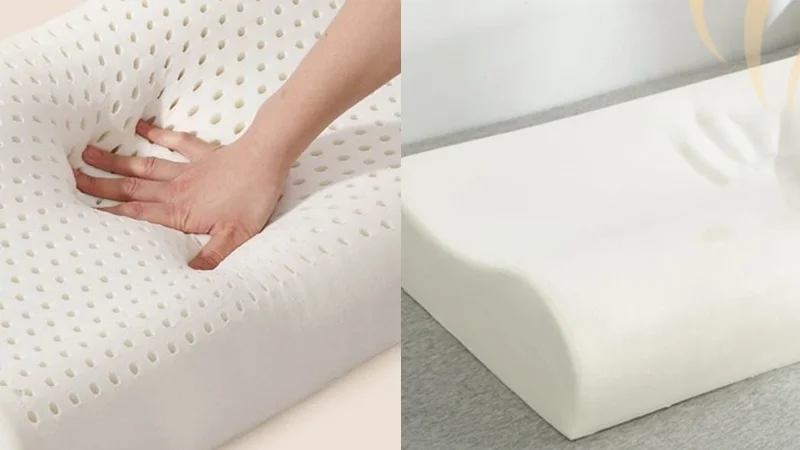
Pillow manufacturing relies on precise chemical and physical formulations. Your RFQ must outline the exact core type required:
- Memory Foam (Polyurethane): Specify whether it is molded (for consistent ergonomic contours) or shredded (for adjustable loft). Crucially, define the density—commercial-grade memory foam should range between $3.5\text{ lb/ft}^3$ to $5.5\text{ lb/ft}^3$ ($55\text{ kg/m}^3$ to $90\text{ kg/m}^3$). Lower densities will sag prematurely, destroying your product’s lifecycle.
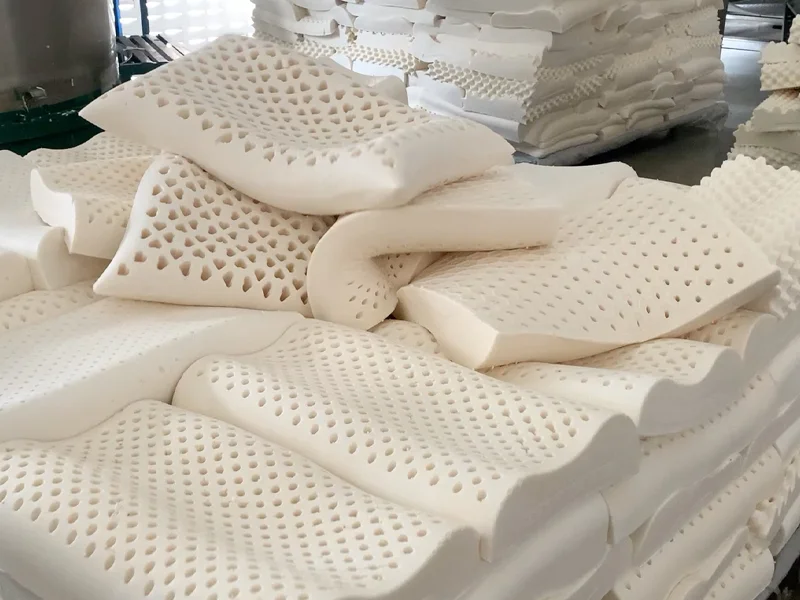
- Natural Latex: Specify the blend ratio. Authentic high-end B2B sourcing usually demands 100% Natural Latex processed via the Dunlop method (for firm support) or Talalay method (for a plush, highly breathable feel).
- Fiber/Down Fill: If sourcing traditional filled pillows, define the fill weight (e.g., 900 grams for a standard hotel pillow) and the fiber type (e.g., siliconized microfiber, 3D/7D down alternative).
2. Inner and Outer Cover Textile Engineering
The cover is the primary touchpoint for the end consumer and must withstand rigorous commercial laundering or long-term retail handling.
- Fabric Composition & Weight: Define the blend (e.g., 40% Bamboo Rayon / 60% Polyester; or 100% Organic Cotton). Request specific fabric weights measured in GSM (Grams per Square Meter)—a premium outer shell should be between 280 GSM and 400 GSM for knit fabrics.
- Weave and Special Treatments: Specify if you require a Jacquard weave, cool-to-the-touch cooling fabrics (PE fibers), or hydrophobic (water-resistant) barriers.
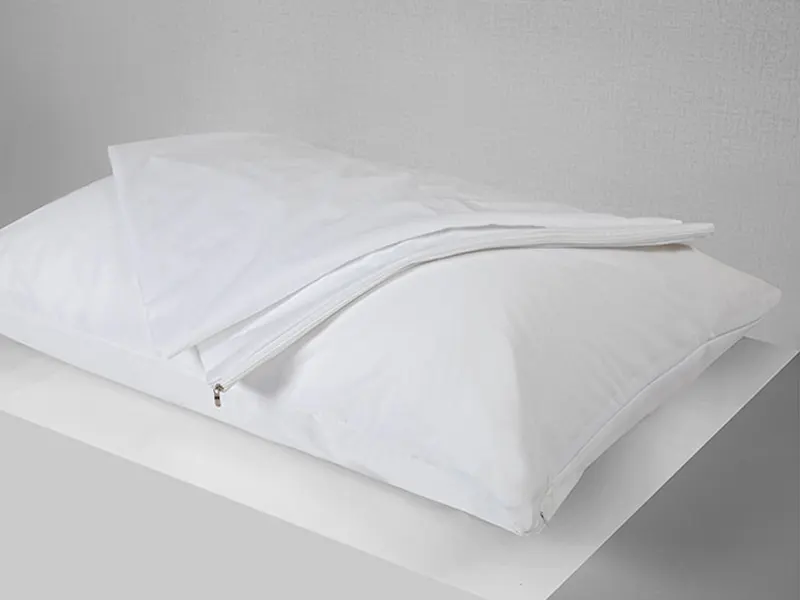
- Zipper & Hardware Standards: Don’t let a cheap zipper ruin a premium product. Mandate YKK or equivalent high-tensile zippers, and specify if they must be concealed (invisible zippers) with protective zipper garages.
3. Packaging & Logistics Customization (The Freight Factor)
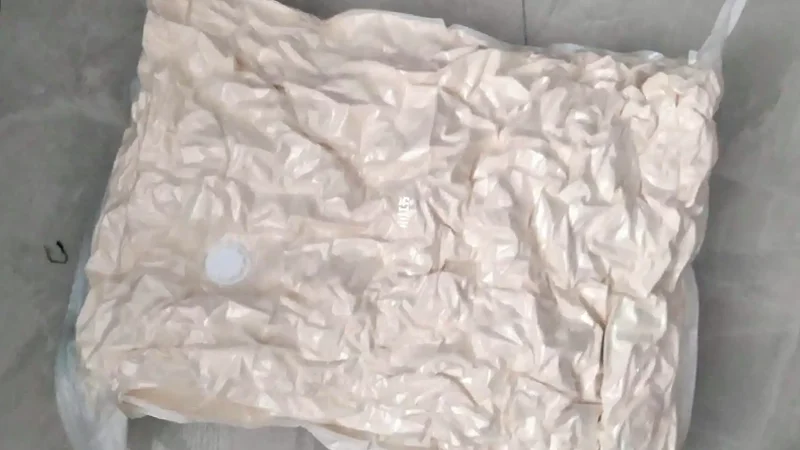
Pillows are inherently high-volume, low-density items. Shipping them uncompressed is a logistical failure that wastes thousands of dollars in “dim weight” (dimensional weight) ocean freight charges.
- Compression Specifications: Explicitly state if the pillows must be roll-packed via heavy-duty vacuum compression. Specify the maximum allowable compression duration (e.g., “Must be capable of recovering to 95% full loft within 24 hours of unboxing after 60 days of vacuum seal”).
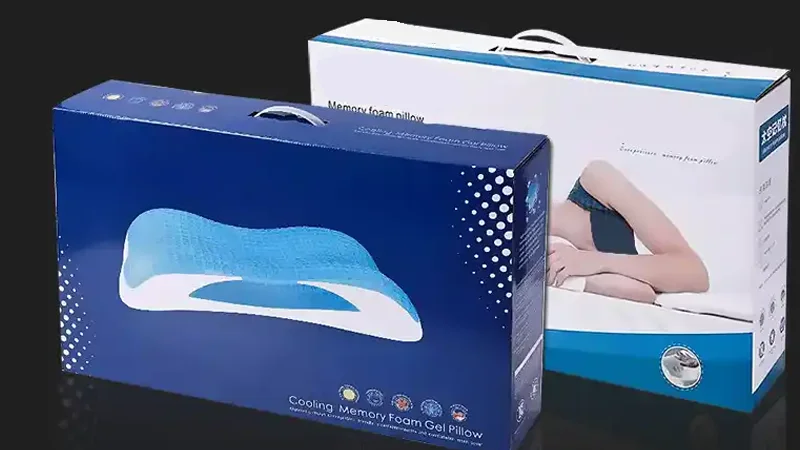
- Retail vs. Bulk Packing: Define the master carton parameters. Are they packed in custom 4-color retail boxes with handles, or bulk-packed in heavy-duty 5-layer corrugated export cartons?
4. International Certifications & Compliance
In modern B2B trade, compliance is non-negotiable. Your RFQ should require factories to submit valid, unexpired copies of certifications matching their legal corporate names:
- Chemical Safety: CertiPUR-US® for polyurethane foams; OEKO-TEX® Standard 100 for all textile components.
- Social & Environmental Responsibility: BSCI (Business Social Compliance Initiative) or SMETA audits to guarantee ethical labor practices to protect your brand’s reputation.
Pillow Procurement:The Pillow Sourcing Budget Blueprint
A successful procurement manager looks past the FOB (Free on Board) per-unit price to calculate the Total Landed Cost. Sourcing pillows involves hidden cost layers that can quickly cannibalize your profit margins if left untracked.
The Anatomy of Landed Costs in Pillow Sourcing
- Ex-Works / FOB Unit Price: The baseline manufacturing cost per unit at the factory gate or loading port.
- Molding and Tooling Fees: If you are designing a custom-contoured ergonomic foam pillow, factories will charge a one-time fee for CNC-machined aluminum molds.
- Custom Labeling & Branding Setup: Silk-screen printing plates, woven brand labels, and hangtag mold setup fees.
- Logistics & Freight Forwarding: Ocean freight (LCL or FCL container rates), port handling fees, documentation fees, and inland trucking from the destination port to your distribution center (DC).
- Tariffs, Customs Duties, & Bonds: Depending on your country of import (e.g., US Customs tariffs on HS Code 9404.90), duties can range from 3% to over 25%. Always check active trade compliance updates.
Pillow Procurement:The Customizable RFQ & Budget Spreadsheet Template
To implement these controls, copy the framework below into your spreadsheet software. This template is split into two distinct sections: The RFQ Technical Specification Matrix and The Financial Procurement Budget Calculator.
Section A: The RFQ Technical Specification Matrix
Copy this layout into Sheet 1 of your workbook to send to potential vendors.
| RFQ Field Category | Technical Requirement Parameter | Buyer Specification (Example Data) | Vendor Response / Compliance (Y/N & Notes) |
| General Info | Product Name / SKU | Premium Contour Memory Foam Pillow – SKU #MF-092 | |
| General Info | Target Order Volume (MOQ) | 5,000 Units (Initial Production Run) | |
| Dimensions | Finished Product Size | Queen Size: 20″ x 30″ x 5″ (50 x 75 x 12.7 cm) | |
| Core Material | Foam Type & Processing | Molded Viscoelastic Memory Foam | |
| Core Material | Core Density | 4.3 lb/ft³ (70 kg/m³) | |
| Core Material | Hardness / ILD | 12-15 ILD (Plush yet supportive) | |
| Inner Cover | Fabric Material & Weight | 100% Polyester Jersey, 90 GSM | |
| Outer Cover | Fabric Composition | 35% Bamboo Rayon / 65% Polyester Blend | |
| Outer Cover | Fabric Weight & Construction | 320 GSM, Double Jacquard Weave | |
| Hardware | Zipper Specification | Concealed Nylon Coil Zipper with Metal Pull | |
| Packaging | Compression Method | High-Vacuum Compression, Roll-Packed in Polybag | |
| Packaging | Master Carton Layout | 10 Roll-Packed Pillows per 5-Ply Corrugated Box | |
| Compliance | Required Certifications | CertiPUR-US®, OEKO-TEX® Standard 100, BSCI | |
| Logistics | Incoterms & Shipping Port | FOB Shenzhen / FOB Guangzhou |
Section B: The Financial Procurement Budget Calculator
Copy this layout into Sheet 2 of your workbook. Use the built-in formulas provided in the third column to automate your financial forecasting.
| Expense Line Item | Cost Per Unit / Total ($) | Excel / Google Sheets Formula Guide |
| A. Order Volume Input | 5,000 | Manually input your total target order quantity here |
| B. Factory FOB Unit Price | $8.50 | Input the winning factory’s quoted per-unit price |
| C. Total Raw Manufacturing Cost | $42,500.00 | =A * B (Volume multiplied by FOB price) |
| D. One-Time Tooling/Mold Fees | $1,200.00 | Fixed cost for custom aluminum molds (if applicable) |
| E. Branding & Label Setup Fees | $350.00 | Fixed cost for plates, wash labels, and retail box setups |
| F. Total Pre-Production Cost | $44,050.00 | =C + D + E |
| G. Ocean Freight & Port Charges | $4,500.00 | Total forwarding quote for container/LCL space |
| H. Inland Trucking (Port to DC) | $950.00 | Final mile transport delivery fee to warehouse |
| I. Customs Duty Rate (%) | 6.0% | Input your country’s tariff rate for HS Code 9404.90 |
| J. Total Customs Duty Fees ($) | $2,550.00 | =C * I (Duty rate calculated against FOB product value) |
| K. Total Logistics & Import Cost | $8,000.00 | =G + H + J |
| L. Total Landed Project Capital | $52,050.00 | =F + G + H + J (Comprehensive project budget required) |
| M. True Landed Cost Per Pillow | $10.41 | =L / A (Total Capital divided by Total Units) |
Pillow Procurement:Advanced Strategy — Vetting Your B2B Pillow Vendor
Once you distribute your standardized RFQ and map the returned figures into your budget spreadsheet, you will likely see a wide spread of bids. Do not automatically choose the lowest bidder. A suspiciously low price frequently signals that the factory plans to cut corners in ways that won’t show up until the goods arrive at your distribution center.
1. The Red Flags of Low-Cost Pillow Quotes
- Off-gassing and Uncertified Foam: Cheap memory foam often utilizes unapproved chemical blowing agents, resulting in an intense, toxic chemical odor that triggers high consumer return rates. Ensure their CertiPUR-US® registry profile is active.
- Recycled Fiber Fill or Foam Scraps: In filled pillows, untrustworthy suppliers may substitute virgin microfiber with industrial textile waste, causing the pillows to clump, flatten, and separate after just a few weeks of use.
- Excessive Outer Shell Shrinkage: If the factory fails to pre-shrunk the outer fabric casing before sewing, the first time a customer or hotel launders the cover, it will shrink significantly, rendering it impossible to re-fit over the foam core.
2. Streamlining the Sampling Protocol
Before signing a final contract or releasing a 30% telegraphic transfer (T/T) deposit, mandate a formal sampling phase based directly on your RFQ specifications:
- Request a “Pre-Production Sample”: Demand that the sample be made from the exact fabric weight (GSM) and foam density specified in the contract—not a generic showroom sample.
- Conduct an Independent Weight and Density Check: When the sample arrives, weigh the core. Calculate its volume to verify that the factory actually delivered the requested density (e.g., 70㎡) rather than substituting a cheape50kg/m³foam.
- Perform Stress and Recovery Tests: Vacuum compress the sample pillow manually for 14 days. Unpack it and measure exactly how long it takes to return to its original shape and dimensions. If it remains flat or takes days to recover, reject the batch.
Conclusion: Data-Driven Procurement Yields High-Margin Success
By standardizing your global procurement workflow around an immutable, highly detailed RFQ and tracking every single variable that influences your True Landed Cost, you eliminate the guesswork from manufacturing. You protect your brand from quality degradation, maintain strict financial control over your supply chain, and build highly profitable, sustainable relationships with world-class pillow manufacturers.
Utilize the spreadsheet matrix above to build out your master internal sourcing document, distribute it to your manufacturing partners, and begin auditing your quotes with absolute mathematical clarity.
FAQ
Why must I explicitly specify “Foam Density” in a memory foam pillow RFQ?
Foam density is the single most critical factor dictating a pillow’s durability, support, and lifespan. If left undefined, factories will naturally quote using low-density foam (under 45 kg/m³to offer the lowest price. Low-density foam degrades and sags within months. Specifying commercial-grade density ((60 to 80 kg/m³)) ensures structural integrity and high shape retention.
Pillows are bulky items. How can we minimize shipping costs in bulk procurement?
Because pillows have high volume but low weight, shipping them uncompressed leads to exorbitant dimensional weight charges. The industry-standard solution is to mandate heavy-duty vacuum compression and roll-packing (Vacuum Roll-Packed) in your RFQ. This process reduces the product volume by up to 70%, maximizing container utilization and drastically lowering your per-unit ocean freight cost.
How do I guarantee that the bulk production pillows are free from toxic chemicals?
Never rely on verbal assurances. You must require the factory to provide valid, unexpired third-party certifications issued under their legal corporate name. Demand OEKO-TEX® Standard 100 for all textile components (fabrics, zippers, threads) to ensure they are safe for skin contact, and CertiPUR-US® (or equivalent regional certifications) to guarantee the foam is free from heavy metals and harmful VOC emissions.
Why shouldn’t I use the FOB price as the baseline for my final budget?
The FOB (Free on Board) price only covers manufacturing and loading costs at the origin port. To evaluate true profitability, you must calculate the Total Landed Cost. This encompasses hidden fees such as one-time CNC mold costs, custom branding/plate setup fees, international ocean freight, destination port handling, local warehousing transport, and country-specific import tariffs (e.g., under HS Code 9404.90).
What critical tests should I perform on a pre-production pillow sample?
Once you receive a sample, move beyond visual inspection and perform three vital tests:
Weight and Density Verification: Weigh the foam core and measure its dimensions to calculate if the actual density matches your RFQ specification.
Vacuum Recovery Test: Leave the sample vacuum-compressed for 14 to 30 days. Unbox it and verify if it recovers 100% of its original loft within 24 hours.
Fabric Shrinkage Test: Wash the outer cover under commercial laundry settings to ensure the fabric was properly pre-shrunk, preventing consumer complaints about covers fitting too tightly after washing.
What hidden quality traps should I look out for in an suspiciously low-priced quote?
An outlier low bid is a major red flag indicating that a factory is cutting corners. Common traps include substituting virgin microfiber with recycled industrial fiber waste (which clumps easily), using low-GSM fabrics that tear under tension, or utilizing cheap chemical blowing agents that cause severe toxic off-gassing (odors) upon unboxing, leading to high retail return rates.