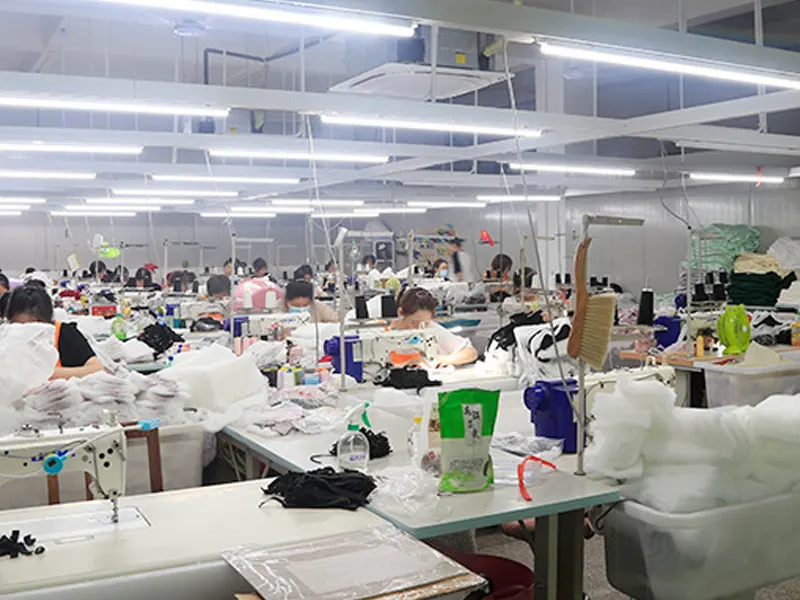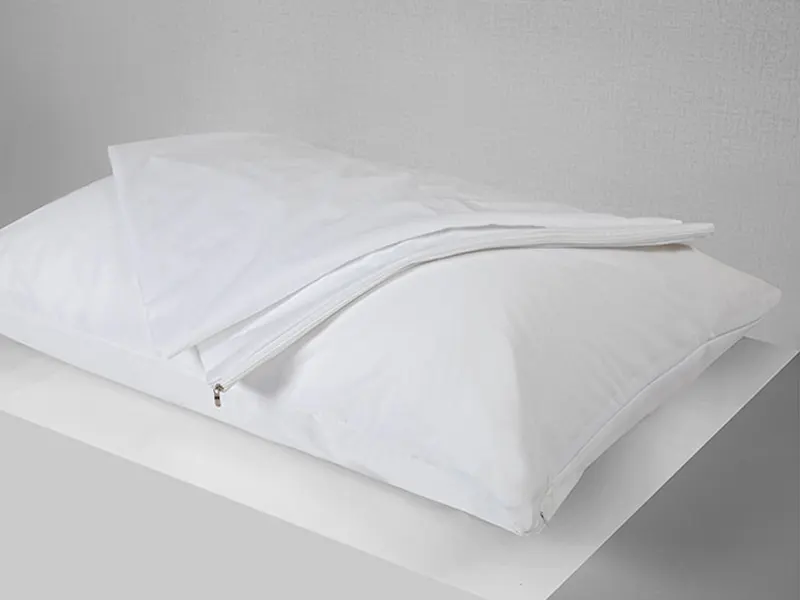

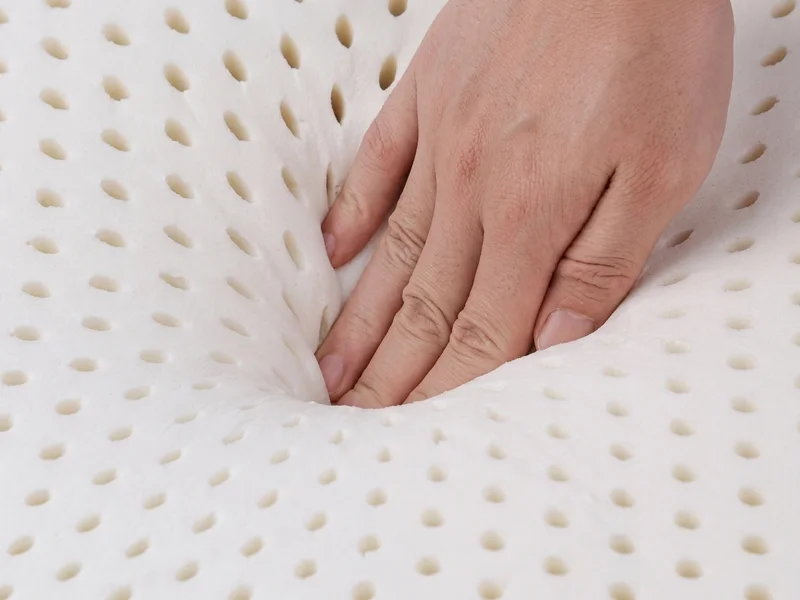
In the global bedding and sleep products industry, latex pillows have secured a premium market position due to their natural elasticity, breathability, and ergonomic support. For B2B buyers, international brands, and sourcing managers, maintaining zero-compromise quality control (QC) at the factory floor is the single most critical factor in protecting brand equity and preventing costly product recalls.
Natural latex is an organic, dynamic material sourced from Hevea brasiliensis sap. Unlike synthetic memory foam, the vulcanization and molding processes for latex are highly sensitive to temperature, humidity, and mechanical errors. This sensitivity can cause visual, structural, and chemical variances.
This article provides an exhaustive, industry-standard English Quality Inspection Checklist, standard AQL (Acceptable Quality Limit) parameters, and precise defect classifications tailored for B2B procurement professionals working with global manufacturing facilities.
Table of Contents
Understanding the Industry-Standard AQL Framework
Before deploying quality inspectors to a production line or third-party inspection agency (such as SGS, Bureau Veritas, or QIMA), you must establish the mathematical boundaries of acceptable risk.
The global standard for product sampling is the ISO 2859-1 (ANSI/ASQ Z1.4) sampling plan. For high-end consumer goods like premium latex pillows, international brands typically implement a General Inspection Level II sampling plan, utilizing a strict split for defect tolerances.
Standard AQL Limits for Premium Latex Pillows
| Defect Classification | Allowed Target | Operational Definition |
| Critical Defects | 0% (AQL 0) | Safety violations, hazardous materials, mold, or illegal substances that create legal liabilities or user injury risks. |
| Major Defects | 2.5% (AQL 2.5) | Structural flaws, severe dimension deviations, or functional failures that render the product un-sellable or significantly reduce its lifespan. |
| Minor Defects | 4.0% (AQL 4.0) | Superficial cosmetic imperfections, minor loose threads on stitching, or small air bubbles that do not compromise the structural integrity or performance of the pillow. |
Latex Core Structural Engineering and Vulnerabilities
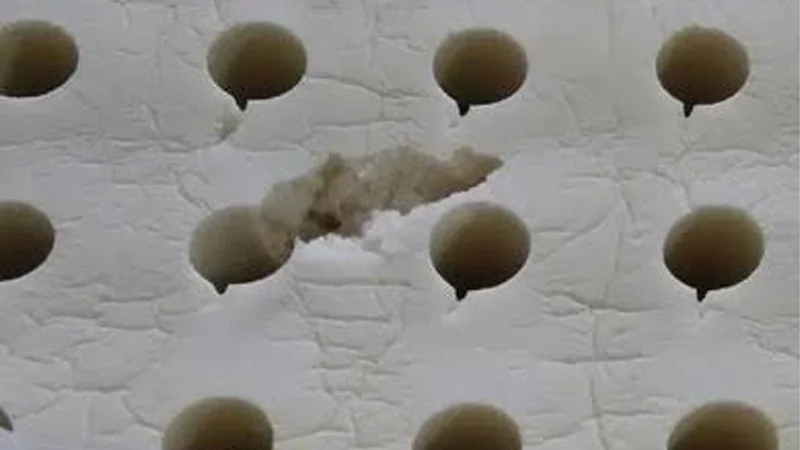
Understanding the physical structure of latex helps clarify why specific defects happen. Most high-quality latex pillows are manufactured using the Dunlop or Talalay method, incorporating a distinct pincore matrix to optimize airflow and support.
Because these pincores run vertically through the entire body of the foam, any shift during the gelation and vulcanization phases can create structural weak points. If the latex formula sets too quickly or unevenly, the core can tear or crack along these internal pathways during mechanical demolding.
Comprehensive Defect Classification Matrix
The following matrix serves as the operational baseline for your inspectors. It isolates defects into three categories based on their commercial impact.
3.1. Critical Defects (0% Tolerance)
Any single occurrence of a Critical Defect results in an automatic FAIL for the entire inspection lot.
- Contamination & Foreign Objects: Embedded needles, staples, or metal fragments from manufacturing equipment within the latex core or the fabric cover.
- Biological Contamination (Mold & Mildew): Any signs of active mold growth, black spots, or dampness resulting from inadequate drying post-wash.
- Severe Chemical Odor: Intense, pungent chemical smells indicating incomplete vulcanization or volatile organic compound (VOC) residues that violate consumer safety regulations (e.g., REACH, CertiPUR-US, or OEKO-TEX).
- Pest Infestation: Presence of insects, larvae, or dirt within the primary or secondary packaging.
2. Major Defects (2.5% AQL Limit)
Major defects lower the product’s value, cause immediate consumer returns, or impact long-term durability.
- Structural Tears & Cracks: Deep tears or splits between the pincore matrix channels exceeding 20mm in length, which will widen over time with normal compression.
- Incorrect Density / Indentation Load Deflection (ILD): The pillow feels noticeably softer or firmer than the signed-off golden sample, failing the standardized compression weight test.
- Severe Deformation: Inability of the latex to spring back to its original shape within 2 seconds after deep compression (loss of resilient elastic memory).
- Out-of-Tolerance Dimensions: Deviations exceeding the agreed-upon engineering tolerances (typically greater than ±1.5cm for length/width, or greater than ±1.0cm for height/loft).
- Fabric Cover Failures: Broken zippers, completely open seams, large stains (greater than 5mm), or visible fabric runs on the outer protective shell.
3. Minor Defects (4.0% AQL Limit)
Minor defects are cosmetic variances that generally do not impact the lifespan or function of the pillow, but should still be minimized to maintain a premium presentation.
- Surface Skin Flaking: Shallow, superficial cosmetic flaking on the outer skin of the molded latex core (less than 10mm wide).
- Minor Pincore Collapse: Slightly deformed or merged air holes along the edges of the pillow caused by minor uneven steam distribution during molding.
- Removable Stains: Small, non-greasy cosmetic marks or dust on the inner fabric lining that can be easily brushed away.
- Stitching Imperfections: Loose threads, skipped stitches (less than 2 consecutive stitches), or uncut thread ends longer than 10mm on the textile cover.
Master Quality Inspection Checklist (On-Site Protocol)
Your on-site inspection protocol should follow a logical sequence to ensure data integrity and operational efficiency. The following master checklist outlines the required checks, tools, and pass/fail thresholds for production line auditing.
1.Packaging, Labelling, and Barcode Verification:Prerequisite Phase。
Verify that the cardboard shipping master cartons match the shipping manifest specifications (e.g., box dimensions, bursting test ratings). Scan shipping barcodes using a calibrated reader to verify readability and correct SKU routing. Check inner retail boxes, polybags, color cards, and tracking labels against the approved packaging artwork for spelling, layout, and placement accuracy.
2.Quantity, Weight, and Visual Sorting:Data Collection Phase。
Count the total number of finished units pulled from the lot to confirm it matches the packing list. Weigh a minimum of 10 latex cores independently using a calibrated digital scale to ensure compliance with the specified core density (measured in grams per pillow or kg/m³). Visually inspect the units under standard D65 illuminant cleanroom lighting to screen for surface stains or color shifts.
3.Dimensional and Loft Measurements:Metrology Phase。
Place the latex pillow flat on a level inspection table without applying downward pressure. Use a steel ruler or digital caliper to measure length, width, and loft (height) across three distinct points: the left edge, the center peak, and the right edge. Compare these measurements directly against the approved tech pack tolerances.
4.On-Site Functional Testing (Physical Performance):Stress-Testing Phase。
Execute physical stress tests on the sample group. This includes full-cycle zip/unzip testing, 100% manual compression rebound checks, and barcode scannability verification.
Field Testing Protocols for Latex Integrity
While comprehensive chemical testing takes place in a laboratory setting, your quality inspectors can execute several functional on-site tests to confirm structural and material integrity.
                  ON-SITE FUNCTIONAL TESTING WORKFLOW

   +---------------------------------------------------------------+
   |                      1. SMELL TEST                            |
   |   Inspect for natural vanilla/rubber scent vs. toxic VOCs.    |
   +-------------------------------+-------------------------------+
                                   |
                                   v
   +---------------------------------------------------------------+
   |                      2. REBOUND TEST                          |
   |   Compress pillow to 10% thickness. Must rebound in <2s.      |
   +-------------------------------+-------------------------------+
                                   |
                                   v
   +---------------------------------------------------------------+
   |                      3. ZIPPER STRESS TEST                    |
   |   Cycle pull-tab 20 times. Check for teeth misalignment.      |
   +-------------------------------+-------------------------------+
                                   |
                                   v
   +---------------------------------------------------------------+
   |                      4. TENSION STRETCH                       |
   |   Gently stretch core edges. Check for micro-tears/brittleness|
   +---------------------------------------------------------------+
The Smell Test (Odor Evaluation Protocol)
Natural latex has a mild, distinct rubber scent that often fades over time. If a factory uses excessive synthetic filler (SBR – Styrene-Butadiene Rubber) to cut costs, the pillow will emit a harsh, petrochemical odor. Inspectors must seal a sample pillow in an airtight bag for 30 minutes at ambient temperature, then open it to evaluate the scent profile. Any burning, chemical, or sweet solvent odors indicate a failure.
The Elasticity Rebound Test
Compress the center of the pillow to roughly 10% of its total thickness using an inspection disc or manual force. Hold the compression for 10 seconds, then release it instantly.
Pass Criteria: The latex must rebound to 100% of its original height in less than 2 seconds without leaving a surface indentation. Delayed rebound indicates old raw materials, low density, or poor vulcanization chemistry.
Strategic Guidance for B2B Sourcing Managers
A quality checklist is only as effective as its enforcement. To protect your supply chain and maintain consistent quality across production runs, implement these three strategic procurement rules:
- Tie Inspections to Payment Milestones: Include the AQL limits directly in your Proforma Invoice (PI) and Purchase Order (PO). State that the remaining 70% balance payment is contingent on receiving a “Passed” inspection report from an independent third-party agency.
- Define a Rework Protocol for Failures: If a lot fails inspection due to Major defects (such as incorrect dimensions or cover stains), require the factory to sort and rework 100% of the batch at their own expense. Never accept a simple “average improvement” promise.
- Monitor Natural vs. Synthetic Ratios: Pure 100% natural latex commands a premium price but is harder to mold perfectly. Work with a trusted lab to periodically run an FTIR (Fourier-Transform Infrared Spectroscopy) test on production samples. This confirms the natural-to-synthetic latex ratio matches your specifications and protects against material substitution.
By establishing these technical standards and AQL limits early in the production cycle, your brand can confidently scale its sourcing operations while delivering a reliable, premium product to consumers.
FAQ
Why is General Inspection Level II under ISO 2859-1 recommended for latex pillow inspections instead of Level I or III?
General Inspection Level II is the industry standard because it provides the most balanced, statistically viable trade-off between inspection cost and risk mitigation for premium consumer goods.
Level I reduces the sample size but increases the buyer’s risk of missing a batch-wide defect (such as an incorrect density run).
Level III increases the sample size, which significantly drives up third-party inspection fees and delays factory throughput. Level II ensures a robust statistical confidence level, giving global sourcing managers clear legal and operational grounds to accept or reject a shipment.
If a latex pillow core has air bubbles or tiny surface holes, does it automatically fail the major defect criteria?
No, it does not. Small air bubbles and minor surface skin flaking (less than 10mm wide) are classified as Minor Defects (AQL 4.0). Natural latex is molded using vertical pincores and steam vulcanization, making minor surface cavities a normal cosmetic byproduct of the manufacturing process. As long as these air bubbles do not turn into structural tears or splits exceeding 20mm between the pincore channels, they do not compromise the pillow’s ergonomic support or structural lifespan, meaning the batch will not be rejected on these grounds alone.
How can an on-site inspector differentiate between the natural smell of raw rubber and a toxic VOC chemical odor?
This is evaluated using the standardized Odor Evaluation Protocol (Smell Test). Natural latex processed via the Dunlop or Talalay method carries a faint, non-offensive milky or vanilla-like rubber scent that naturally dissipates over time. Conversely, if a factory uses excessive SBR (Styrene-Butadiene Rubber) or low-grade curing agents to cut costs, the pillow will trap volatile organic compounds (VOCs). When sealed in an airtight bag for 30 minutes at ambient temperature and opened, it will emit a sharp, pungent, or sweet solvent-like chemical odor. Any such pungent smell is classified as a Critical Defect (0% Tolerance) due to consumer safety and regulatory compliance violations (like REACH or OEKO-TEX).
The factory claims that a 3-second rebound time is acceptable for natural latex due to humidity. Should I accept this explanation?
Absolutely not. According to the Elasticity Rebound Test standard, high-quality natural latex must rebound to 100% of its original height in less than 2 seconds after deep compression. A 3-second or delayed response is a strong technical indicator of poor material integrity, such as the use of degraded raw latex sap, insufficient density (kg/m³), or an incorrect vulcanization baking time. Humidity on the factory floor can cause minor weight fluctuations, but it should never compromise the instant responsive elasticity that defines premium latex.
What immediate operational steps should a B2B buyer take if the inspection report returns a “FAIL” due to Major Defects?
f a lot fails due to Major Defects exceeding the AQL 2.5 limit, you should immediately execute the following protocol:
Freeze Payment: Withhold the remaining 70% balance payment, leveraging the clause pre-defined in your Purchase Order (PO).
Enforce 100% Rework: Reject the current lot and formally order the factory to perform a full manual sorting and rework of the batch at their own expense (e.g., swapping out stained fabric covers or replacing torn cores).
Mandate Re-inspection: Require a second inspection by your third-party agency (SGS, QIMA, etc.) after the rework is completed. The factory must bear the full cost of this secondary inspection. Never accept an “average improvement” verbal promise.