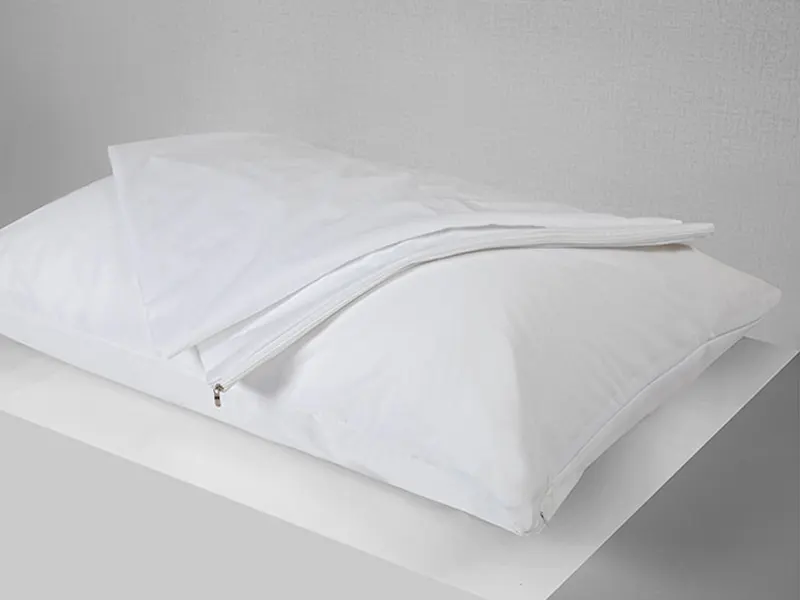

If you are sourcing pillowcases for a bedding brand, hotel, retailer, distributor, wholesaler, or e-commerce business, choosing the right pillowcase manufacturer can have a major impact on your product quality, margins, delivery schedule, and customer satisfaction.
At first glance, pillowcases may seem like a relatively simple textile product. But bulk production is very different from buying a few pillowcases at retail.
When you order hundreds, thousands, or tens of thousands of pieces, small differences in fabric, sizing, stitching, shrinkage, color consistency, packaging, and production control can become significant commercial issues.
The cheapest quotation is therefore not necessarily the best quotation.
For B2B buyers, a better question is:
Can this manufacturer consistently produce the pillowcases I need, at the required quality, quantity, price, and delivery schedule?
This guide explains the key factors to consider when choosing a pillowcase manufacturer for bulk orders and how to evaluate a supplier before placing a purchase order.
Table of Contents
Define Your Pillowcase Requirements Before Contacting a Manufacturer
Before requesting quotations, prepare a basic product specification.
The more information you provide, the more accurately a manufacturer can evaluate your project.
Your specification may include:
- Pillowcase size
- Fabric composition
- Fabric weight or GSM
- Thread count, if applicable
- Fabric color
- Closure type
- Stitching requirements
- Logo requirements
- Woven or printed labels
- Packaging requirements
- Quantity
- Target market
- Required certifications
- Delivery destination
For example, instead of sending a general inquiry such as:
“Please quote your cotton pillowcases.”
A B2B buyer can provide:
“We are looking for 5,000 custom pillowcases made from 100% cotton, 20 × 30 inches, white, with an envelope closure, customized woven labels, individual packaging, and shipment to the United States.”
The second inquiry gives the manufacturer enough information to start evaluating the actual project.
Why specifications affect the price
Two pillowcases can look almost identical but have very different production costs.
The final price can be affected by:
- Fabric composition
- Fabric weight
- Yarn quality
- Dyeing requirements
- Finishing process
- Pillowcase dimensions
- Closure construction
- Sewing details
- Logo application
- Packaging
- Order quantity
This is why B2B buyers should compare quotations based on the same specifications, rather than simply comparing the lowest unit price.
Evaluate the Manufacturer’s Fabric Options
Fabric is one of the most important factors when sourcing pillowcases in bulk.
Different customers have different requirements.
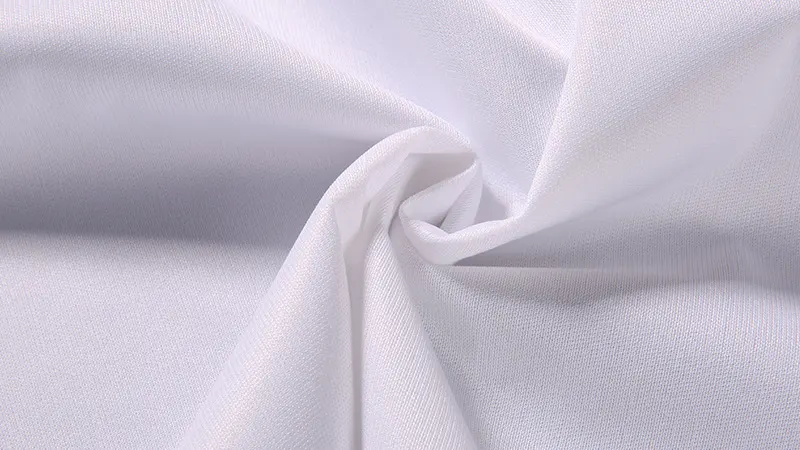
A budget bedding product may need a durable and cost-effective fabric, while a premium bedding brand may prioritize softness, breathability, moisture management, or a luxurious hand feel.
Depending on the project, pillowcase manufacturers may work with materials such as:
- 100% cotton
- Organic cotton
- Polyester
- Cotton-polyester blends
- Bamboo-based fabrics
- Tencel™ or other regenerated cellulose fibers
- Satin
- Silk
- Cooling fabrics
- Functional textile materials
A good manufacturer should be able to explain the advantages and limitations of different fabrics rather than simply offering a price list.
Questions to ask about fabric
Before placing a bulk order, ask:
- What fabric compositions are available?
- What fabric weights can you produce?
- Can you develop custom colors?
- Can you match a Pantone color or physical sample?
- Can you provide fabric samples before production?
- How is color consistency controlled between batches?
- How does the fabric perform after repeated washing?
- Are relevant material test reports available?
These questions help you understand whether the supplier is capable of manufacturing the product you actually want to sell.
Check Whether the Manufacturer Supports Custom Sizes
Standard pillowcase sizes are useful for many applications, but B2B customers often require custom dimensions.
Common pillowcase sizes include:
| Pillowcase Type | Typical Size |
|---|---|
| Standard | 20 × 26 in |
| Queen | 20 × 30 in |
| King | 20 × 36 in |
| Euro | 26 × 26 in |
| Body Pillow | 20 × 54 in |
These are common examples rather than universal standards. Actual dimensions can vary by market, brand, and product design.
If you are developing a private-label bedding product, you may need a completely different size.
A capable custom pillowcase manufacturer should be able to work from your technical drawing, measurements, physical sample, or detailed specification.
Custom dimensions can affect more than the finished size
Changing the dimensions of a pillowcase can affect:
- Fabric consumption
- Cutting efficiency
- Sewing time
- Packaging dimensions
- Carton quantity
- Shipping cost
- Final unit price
Therefore, custom sizing should be discussed with the manufacturer before the quotation is finalized.
Consider the Pillowcase Closure
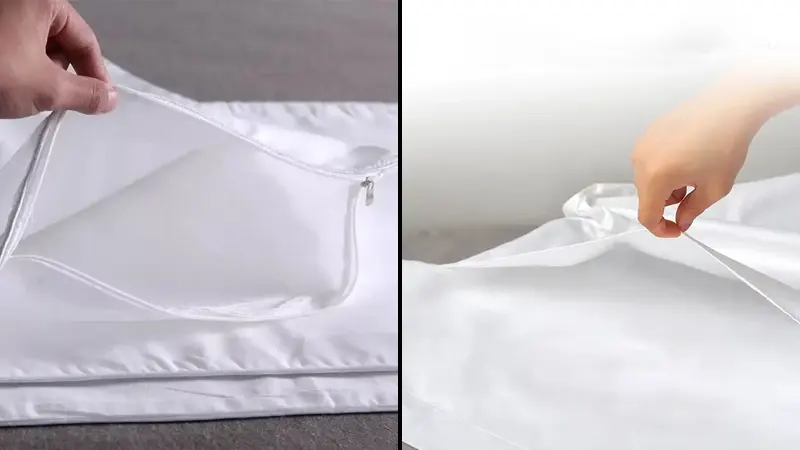
The closure is another important design decision.
Depending on your product, you may consider:
- Envelope closure
- Hidden zipper
- Open-end construction
- Oxford-style construction
- Other customized closures
For example, an envelope pillowcase can provide a simple and clean appearance without a zipper, while a zipper closure may be suitable for certain premium or protective applications.
When comparing manufacturers, make sure the quotation clearly specifies the closure construction.
Otherwise, two suppliers may appear to offer the same pillowcase while actually quoting different products.
Look for OEM and Private Label Capability
If you are building your own bedding brand, simply finding a factory that can sew pillowcases may not be enough.
You may also need:
- Custom colors
- Custom sizes
- Woven labels
- Printed care labels
- Brand logos
- Embroidery
- Custom packaging
- Retail packaging
- Barcode labels
- Insert cards
- Customized bags
This is where an experienced OEM pillowcase manufacturer can provide significant value.
Instead of coordinating separate suppliers for manufacturing, labels, packaging, and other components, you may be able to consolidate the project with one manufacturing partner.
Private label pillowcases
Private-label production is particularly relevant for:
- Bedding brands
- Amazon and e-commerce sellers
- Hotel suppliers
- Home textile distributors
- Retail chains
- Wholesalers
If private labeling is important to your business, ask the manufacturer to show examples of its customization capabilities before placing a large order.
Do Not Evaluate a Supplier by MOQ Alone
MOQ means Minimum Order Quantity.
It is an important consideration for bulk buyers, but the lowest MOQ does not automatically mean the best supplier.
A manufacturer offering a very low MOQ may have:
- Higher unit prices
- Limited fabric choices
- Limited customization
- Longer production times
- Less flexible production capabilities
At the same time, a manufacturer with a higher MOQ may provide better pricing and more consistent production for larger commercial programs.
The appropriate MOQ depends on your business model.
For a new bedding brand
You may prioritize:
- Lower initial MOQ
- Product sampling
- Flexible customization
- Small trial orders
For an established retailer
You may prioritize:
- Competitive pricing
- Stable quality
- Large production capacity
- Reliable replenishment
For hotels and institutional buyers
You may prioritize:
- Durability
- Consistent specifications
- Large-volume production
- Repeat-order capability
- Commercial laundry performance
The right question is not:
“Who has the lowest MOQ?”
It is:
“Who can offer a commercially suitable MOQ without compromising the product requirements?”
Examine the Manufacturer’s Quality Control Process
One of the biggest mistakes in textile sourcing is evaluating quality only from a sample.
A sample may look perfect, while problems can appear during mass production.
Potential problems include:
- Incorrect dimensions
- Uneven stitching
- Loose threads
- Fabric defects
- Color differences
- Excessive shrinkage
- Incorrect labels
- Closure problems
- Packaging errors
For this reason, ask the manufacturer how quality is controlled throughout production.
A professional manufacturing process should normally include several inspection stages.
Raw Material Inspection
Before production begins, materials can be checked for:
- Fabric quality
- Color
- Width
- GSM
- Defects
- Accessories
- Labels
- Packaging materials
In-Process Inspection
During manufacturing, production staff or QC personnel can inspect:
- Cutting dimensions
- Sewing quality
- Seam construction
- Closure installation
- Logo position
- Measurements
Final Inspection
Before shipment, finished products can be checked for:
- Appearance
- Dimensions
- Stitching
- Color consistency
- Label accuracy
- Packaging
- Quantity
For larger B2B orders, buyers can also consider arranging an independent third-party inspection before shipment.
Ask About Certifications and Testing
For international B2B buyers, product quality is only one consideration.
Depending on your target market and product positioning, you may also require documentation related to:
- Textile safety
- Chemical safety
- Material composition
- Environmental standards
- Social compliance
- Product performance
For example, OEKO-TEX® STANDARD 100 is a widely recognized textile safety certification system.
However, buyers should not rely on a certification logo displayed on a website alone.
Ask the supplier:
- What product does the certification cover?
- Is the certificate current?
- Which manufacturing facility does it apply to?
- Does it cover the material used in my order?
- Can supporting documentation be provided?
This is particularly important when your products will be sold through major retailers or into regulated markets.
Verify Production Capacity
Production capacity becomes increasingly important as your order quantity grows.
A supplier may be able to produce 1,000 pillowcases without difficulty but struggle with a 50,000-piece order during peak season.
Before choosing a supplier, consider:
- Factory size
- Number of production lines
- Workforce
- Sewing equipment
- Cutting equipment
- QC resources
- Material storage
- Production scheduling
- Monthly capacity
- Peak-season capacity
A manufacturer with established production infrastructure is generally better positioned to support long-term B2B orders.
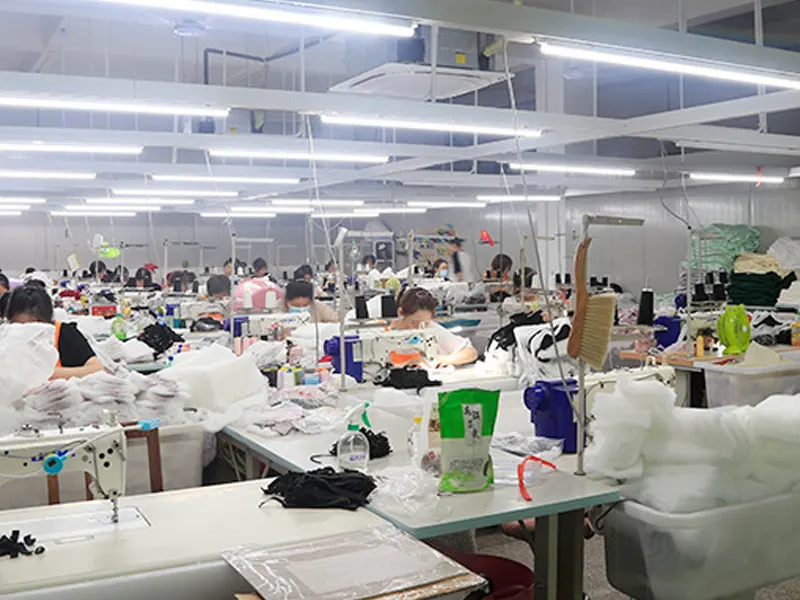
For example, Mengfangge Technology Co., Ltd. operates its manufacturing business from Dongguan, Guangdong, China, and focuses on OEM/ODM sleep-product manufacturing.
For buyers, the important point is not simply the size of a factory.
The real question is whether the manufacturer has sufficient production capacity and process control for your specific order volume.
Always Request a Sample Before Bulk Production
A sample allows you to evaluate the actual product rather than relying on photographs or specifications.
For a custom pillowcase, you should ideally approve the sample before mass production.
Check:
Fabric
- Hand feel
- Thickness
- Weight
- Color
- Surface appearance
Construction
- Stitching
- Seam quality
- Closure
- Edge finishing
Dimensions
Measure the actual finished size rather than assuming the manufacturer’s stated dimensions are exact.
Branding
Check:
- Logo
- Woven label
- Care label
- Label position
Packaging
Confirm that the sample matches your intended retail or wholesale packaging.
The process should ideally be:
Specification → Sample → Buyer Approval → Bulk Production → Inspection → Shipment
This reduces the risk of expensive mistakes.
Understand Production Lead Times
A quoted lead time should always be evaluated according to the product specifications.
Production time can be affected by:
- Fabric availability
- Custom dyeing
- Order quantity
- Special sewing requirements
- Embroidery
- Label production
- Packaging
- Factory workload
- Peak season
A standard pillowcase using available fabric may be produced much faster than a fully customized product requiring new fabric development and custom packaging.
When requesting an RFQ, ask the manufacturer to separate:
Sample lead time + Production lead time + Shipping time
This gives you a much clearer picture of the complete delivery schedule.
Also ask when the production lead time officially begins.
For example, does it start after:
- Deposit?
- Sample approval?
- Fabric approval?
- Packaging approval?
A clear answer can prevent misunderstandings later.
Evaluate Packaging for Your Sales Channel
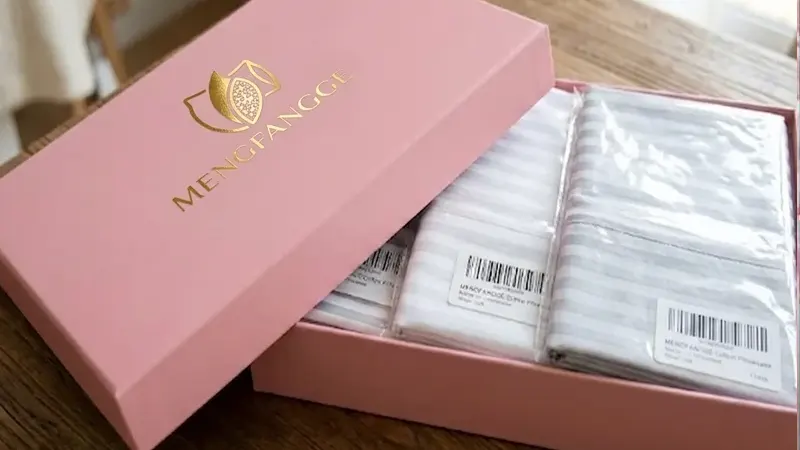
Packaging can have a surprisingly large effect on B2B sourcing.
A wholesaler may want simple bulk cartons.
A retail brand may need individual packaging.
An e-commerce seller may require packaging that is suitable for fulfillment centers and parcel shipping.
Possible options include:
- Individual polybags
- Paper sleeves
- Retail boxes
- Branded bags
- Bulk carton packaging
- Barcode labels
- Customized inserts
- Compression packaging
Ask the manufacturer how packaging affects:
- Unit cost
- Carton quantity
- Shipping volume
- Product protection
- Retail presentation
A good manufacturer should be able to help you choose packaging according to your actual distribution model.
Compare Shipping Terms Correctly
When comparing quotations from different suppliers, make sure you are comparing the same Incoterm.
Common international trade terms include:
- EXW
- FOB
- CIF
- DDP
An EXW price may look cheaper than a DDP price, but the buyer may need to pay additional costs for transportation, export handling, freight, customs clearance, and delivery.
Therefore, your RFQ should include:
Product specification + Quantity + Destination + Preferred Incoterm
This allows suppliers to prepare more meaningful quotations.
For large orders, you should also consider the shipping volume and carton dimensions because these can have a substantial effect on total landed cost.
Think About Your Future Orders
Your first order is not necessarily the most important order.
A supplier may successfully produce your first 2,000 pieces. But what happens when your sales grow and you need 20,000 pieces?
Before selecting a manufacturer, ask:
Can this supplier support my business as my order volume increases?
Look for a manufacturer capable of supporting:
- New sizes
- New colors
- New materials
- New designs
- Multiple SKUs
- Private-label packaging
- Repeat orders
- Larger production volumes
- International shipping
This is especially important for growing bedding brands.
Switching suppliers after your product has already established a market can create unnecessary problems with product consistency, packaging, quality, and inventory.
Choosing the right manufacturing partner from the beginning can make future purchasing much easier.
Factory Direct or Trading Company?
Another important sourcing question is whether you are buying directly from a manufacturer or through a trading company.
A trading company can sometimes provide useful sourcing services, but if manufacturing control and customization are important to your project, working directly with a factory may provide greater visibility into:
- Production
- Materials
- Quality control
- Product development
- Manufacturing capacity
- Lead times
- Customization
However, you should not choose a supplier simply because it claims to be “factory direct.”
Ask for evidence.
You can evaluate:
- Factory information
- Manufacturing facilities
- Product samples
- Production capabilities
- Quality-control procedures
- Certifications
- Existing OEM/ODM experience
The goal is to determine whether the company can actually control the manufacturing process behind your order.
What Should You Ask a Pillowcase Manufacturer?
Before selecting your supplier, use this checklist.
Product
- What fabrics can you manufacture?
- What sizes can you produce?
- Can you make custom dimensions?
- What closure options are available?
- Can you customize colors?
- Can you add logos and labels?
MOQ
- What is the MOQ?
- Is MOQ calculated per style?
- Is MOQ calculated per color?
- Is there a different MOQ for custom fabric?
Quality
- How are raw materials inspected?
- How is quality controlled during production?
- Is final inspection performed?
- Can third-party inspection be arranged?
Certification
- What certifications are available?
- Can you provide current test reports?
- Which factory and product are covered?
Production
- What is the normal production lead time?
- What is your production capacity?
- Can you handle repeat orders?
- How do you manage peak-season production?
Sampling
- Can I order a pre-production sample?
- How long does sampling take?
- Can the sample fee be credited to the bulk order?
Packaging
- Can you provide private-label packaging?
- Can you apply barcodes?
- Can you customize retail packaging?
Logistics
- Which Incoterms do you support?
- Can you arrange sea and air shipments?
- Can you provide DDP service where appropriate?
The answers to these questions will give you a much clearer picture of whether the supplier is suitable for your project.
Why Choose Mengfangge Technology Co., Ltd. for Bulk Pillowcase Orders?
Mengfangge Technology Co., Ltd. is an OEM/ODM manufacturer based in Dongguan, Guangdong, China, specializing in sleep products and customized manufacturing.
For B2B buyers, the value of a manufacturing partner is not simply the ability to sew pillowcases.
It is the ability to manage the complete process from product requirements to finished goods.
Depending on the project, Pillow MFG can support areas such as:
OEM and ODM Development
If you already have a product specification, the manufacturing team can work from your requirements.
If you have only a concept, material preference, photograph, or sample, an OEM/ODM discussion can help define the product before mass production.
Material Selection
Different applications require different materials.
Your project may prioritize softness, durability, breathability, cooling performance, natural fibers, or cost efficiency.
Material selection should therefore be based on the intended market and product positioning.
Customization
Bulk pillowcase projects can include customization of:
- Size
- Fabric
- Color
- Closure
- Logo
- Labels
- Packaging
Quality Control
A structured production and inspection process helps reduce inconsistencies between samples and mass production.
International B2B Supply
For overseas buyers, manufacturing is only one part of the purchasing process.
Packaging, documentation, shipping terms, and delivery coordination also need to be considered.
This makes it important to work with a supplier that understands international B2B purchasing requirements.
How to Request a Bulk Pillowcase Quote
If you are ready to contact a manufacturer, providing the right information in your first inquiry can save time.
You can use the following RFQ format:
Product: Custom Pillowcases
Material: 100% Cotton / Tencel / Bamboo / Other
Size: 20 × 30 inches
Color: White / Pantone Reference
Closure: Envelope / Zipper / Other
Logo: Yes / No
Label: Custom Woven Label
Packaging: Individual / Bulk / Retail
Quantity: 5,000 pcs
Destination: USA / Europe / Australia / Other
Target Delivery: Required Date
Certification: If Required
You can also attach:
- Product drawings
- Reference photos
- Existing samples
- Packaging designs
- Brand guidelines
The more complete the information, the easier it is for the manufacturer to evaluate your requirements and provide a useful quotation.
Bulk Pillowcase Manufacturer Checklist
Before placing your order, make sure your shortlisted supplier can meet the following requirements:
☐ Suitable fabric options
☐ Required pillowcase sizes
☐ Custom color capability
☐ Suitable closure construction
☐ OEM/ODM support
☐ Private-label capability
☐ Appropriate MOQ
☐ Sample development
☐ Quality-control process
☐ Relevant certifications or testing
☐ Sufficient production capacity
☐ Reliable lead time
☐ Suitable packaging
☐ International shipping support
☐ Repeat-order capability
If a manufacturer can consistently satisfy these requirements, you have a much stronger foundation for a long-term B2B relationship.
Conclusion: Choose a Manufacturing Partner, Not Just the Lowest Price
Choosing a pillowcase manufacturer for bulk orders should never be based on unit price alone.
The right supplier should be evaluated across the entire purchasing process:
Product Requirements → Material Selection → Sampling → Quality Control → Production → Packaging → Shipping → Replenishment
A manufacturer that offers a slightly lower price but cannot maintain quality or delivery schedules may ultimately cost your business more.
For bedding brands, hotel suppliers, wholesalers, retailers, distributors, and e-commerce companies, a reliable manufacturing partner can provide much more value through consistent quality, flexible customization, scalable production, and dependable communication.
If you are currently sourcing pillowcases in bulk, start by preparing your required size, fabric, quantity, customization requirements, and destination.
Then send those specifications to a qualified pillowcase manufacturer for evaluation.
Looking for a custom pillowcase manufacturer for your next bulk order?
Send us your specifications, target quantity, and destination. Mengfangge Technology Co., Ltd. can help you evaluate suitable materials, customization options, sampling requirements, production arrangements, packaging, and shipping solutions for your project.
Request a Pillowcase Quote →
FAQ
What is the MOQ for custom pillowcases?
MOQ depends on the fabric, size, color, customization, packaging, and production requirements. Buyers should provide their specifications and target quantity so the manufacturer can determine the most suitable MOQ for the project.
Can a pillowcase manufacturer make custom sizes?
Yes. Many OEM/ODM manufacturers can produce pillowcases according to custom dimensions, technical drawings, samples, or detailed specifications. Custom sizing may affect fabric consumption, production cost, packaging, and shipping.
Can I add my logo to bulk pillowcases?
Yes. Depending on the product, branding options may include woven labels, printed labels, embroidery, logos, and customized packaging.
How long does bulk pillowcase production take?
Production time depends on the fabric, quantity, customization, packaging, and factory schedule. Always ask the manufacturer to confirm sample time, production time, and shipping time separately.
Should I request a sample before placing a bulk order?
Yes. A sample allows you to check the fabric, color, dimensions, stitching, closure, branding, and packaging before mass production.
What certifications should I look for when buying pillowcases?
The appropriate certifications depend on your target market and product specifications. Textile buyers may consider standards relating to chemical safety, material composition, environmental requirements, and social compliance. Always verify that certificates apply to the actual product and manufacturing facility.
How do I get a quotation from a pillowcase manufacturer?
Provide the manufacturer with your desired fabric, size, color, closure, quantity, branding requirements, packaging, destination, and target delivery date. Product drawings, photos, samples, and packaging designs can also help the manufacturer prepare a more accurate quotation.