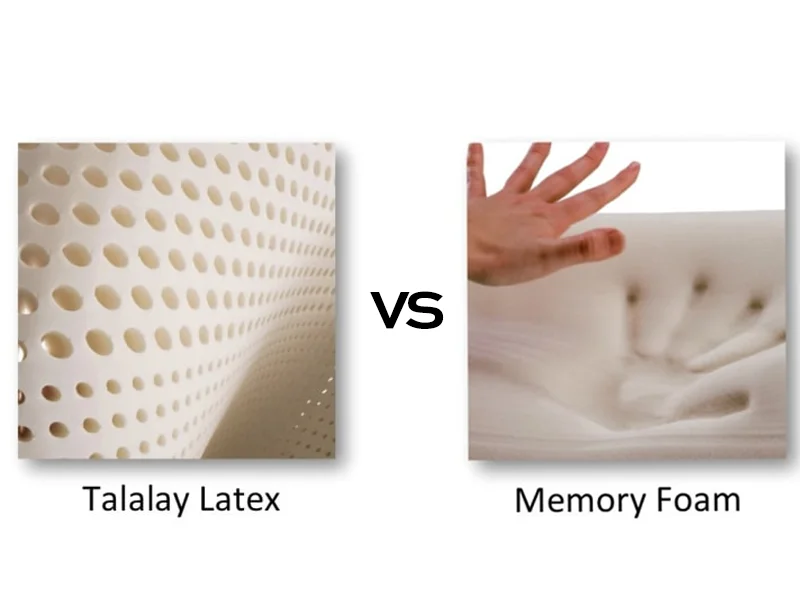
In modern hotel operations, the quality of guest room bedding directly dictates guest sleep satisfaction and repeat booking rates. When it comes to procuring pillows—a core bedding component—procurement managers constantly face the classic dilemma: Latex Pillows versus Memory Foam Pillows. While both materials offer distinct comfort profiles, they exhibit significant differences in durability under high-frequency hotel use, centralized laundering, and guest adaptability, which ultimately impacts long-term Return on Investment (ROI).
From the professional perspective of hotel supply chain management and housekeeping operations, this article provides a data-driven, comprehensive comparison of latex and memory foam pillows to help star-rated hotels and boutique B&Bs make the most economically sound purchasing decisions.
Table of Contents
Material Mechanics and Physical Durability: Which Withstands High-Frequency Hotel Use With Latex vs. Memory Foam Pillows?
Hotel pillows endure pressure from guests of varying body weights daily, accumulating over 2,500 hours of compression per year. This demands exceptional core fatigue resistance to prevent premature flattening.
Natural Latex: Superior Elasticity and Anti-Fatigue Performance
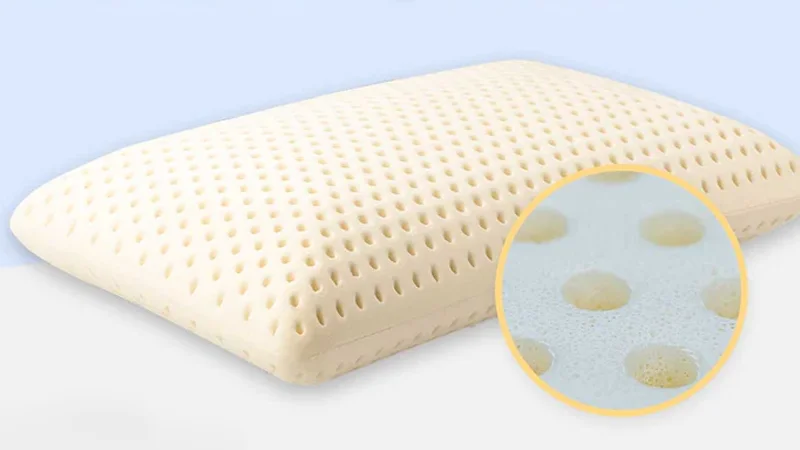
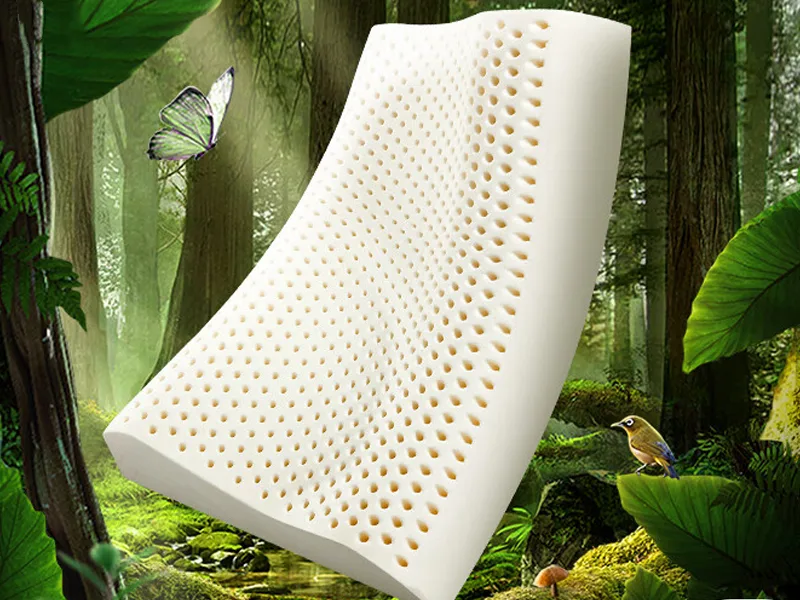
Natural latex is manufactured via the Dunlop or Talalay foaming process, creating tens of thousands of interconnected, microscopic honeycomb air cells. This open-cell structure grants latex pillows instantaneous resilient recovery.
As soon as external pressure is removed, a latex pillow bounces back immediately, preventing localized sagging. Under high-frequency hotel use, a commercial-grade natural latex pillow (typically with a density between 45D and 55D) boasts a physical lifespan of 5 to 8 years. Within the first 3 years, its core support and elasticity experience virtually no linear decline.
Memory Foam: Slow-Rebound Pressure Relief Matched with Material Fatigue
Memory foam (viscoelastic polyurethane foam) is celebrated for its slow-rebound and temperature-sensitive characteristics. It contours precisely to a guest’s body temperature and head shape, offering a deeply cushioned, cradled sensation.
However, in high-intensity commercial environments, memory foam’s molecular bonds face material fatigue over time. Typically, after 2 to 3 years of continuous compression, the primary weight-bearing zones develop permanent deformation (sagging), causing the pillow to thin out and lose its rebound capability. Furthermore, traditional memory foam is highly temperature-sensitive—becoming firm in cold rooms and softening in warm ones—which can lead to inconsistent guest experiences and potential complaints.
Operational Maintenance and Housekeeping Costs: Laundering Resiliency vs. Daily Care
Beyond physical lifespan, the ease of routine cleaning, sanitization, and daily housekeeping significantly impacts long-term labor and material replacement costs.
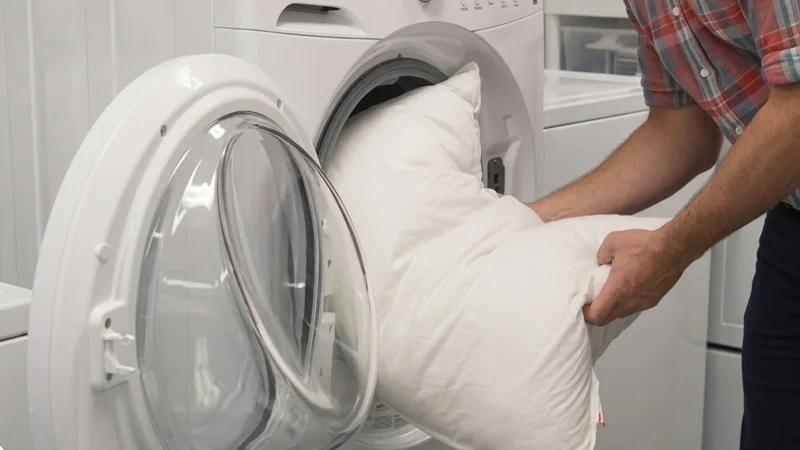
The Maintenance Bottleneck of Memory Foam: Strictly Non-Washable
Memory foam cores feature closed-cell or semi-open molecular structures. Once exposed to water, the foam acts like a massive sponge, trapping moisture that is nearly impossible to dry thoroughly. Attempting to wash a memory foam core results in internal crumbling, tearing, and a total loss of elasticity.
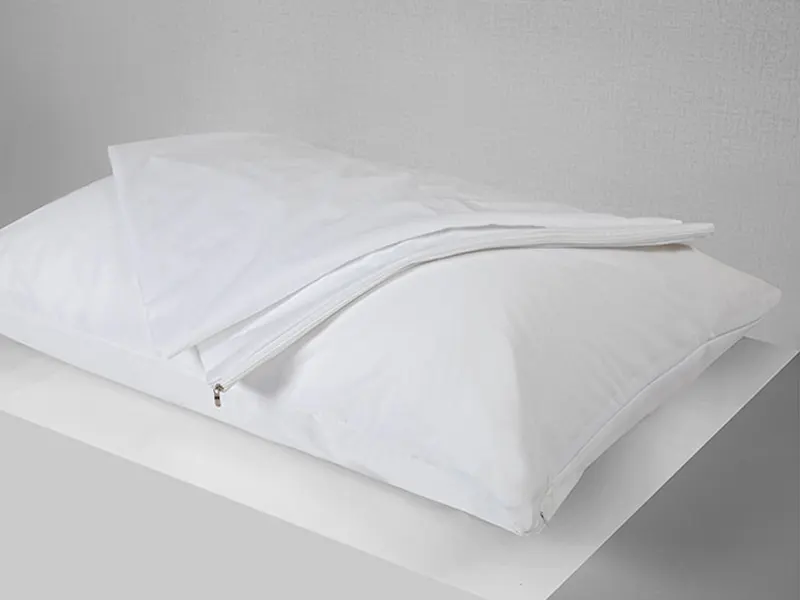
Consequently, hotels utilizing memory foam pillows must invest in specialized, heavy-duty waterproof and anti-mite inner protectors. If a guest accidentally spills coffee, tea, or fluids that seep through to the core, the memory foam pillow must be discarded, which increases the hotel’s property loss and turnover expenses.
Natural Anti-Mite Properties and Cleanability of Latex
Natural latex inherently contains rubber proteins that naturally repel dust mites and suppress bacterial growth. For premium hotels prioritizing hygiene ratings, this serves as an excellent marketing point and significantly mitigates complaints regarding musty odors or allergen flare-ups.
Regarding maintenance, while latex cores cannot be tossed into industrial washing machines or high-temperature commercial dryers (high heat causes latex to oxidize, turn brittle, and yellow), they do support localized cold-water hand-wiping. Thanks to its inherent antibacterial properties, standard daily care simply involves changing the outer pillowcases and airing the core out in a shaded, well-ventilated space, saving significant housekeeping labor.
Guest Sleep Experience and Universal Adaptability: Eliminating the Hidden Risk of Guest Complaints
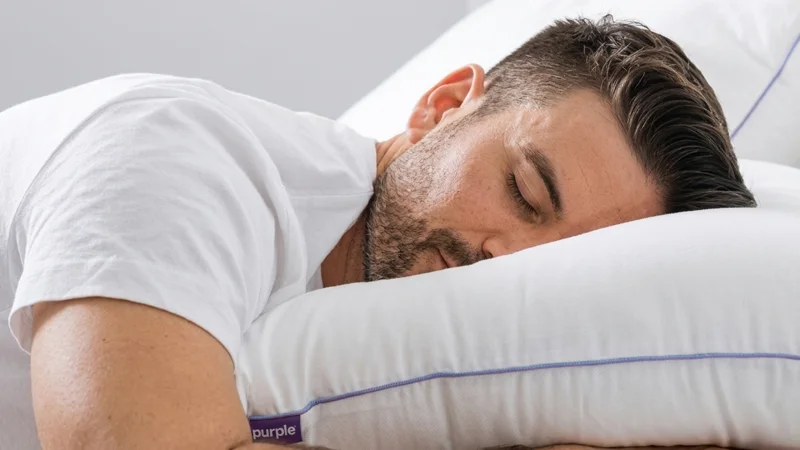
Hotel guests arrive with vastly diverse sleeping habits. Procuring a universally accommodating pillow yields far greater value than chasing the lowest initial wholesale price.
| Comparative Dimension | Natural Latex Pillow | Memory Foam Pillow (Slow-Rebound) |
| Primary Sleep Sensation | High-elasticity support, responsive, easy turning | Contouring cradle, deep pressure relief, zero pushback |
| Breathability & Cooling | Excellent (Fully open honeycomb structure) | Moderate to Low (Traps heat unless infused with gel) |
| Common Shapes/Styles | Contoured wave, ergonomic massage nodules | Classic bread shape, butterfly cervical contour |
| Potential Complaint Risk | Mild natural rubber scent upon unboxing | Chemical off-gassing odors in low-grade foam; hot sleeping |
- Latex Pillow Target Demographics: Ideal for guests who prefer active contouring, require firm neck support, sleep hot, or turn frequently. Its instantaneous spring-back prevents morning neck stiffness.
- Memory Foam Target Demographics: Best suited for stationary back-sleepers or guests with chronic cervical strain who enjoy a soft, sinking, “weightless” cradled sensation.
Procurement & Selection Strategy: For fast-paced, high-turnover business hotels, latex pillows generally present a higher universal satisfaction rate because corporate travelers favor efficient physical recovery and breathable, cool sleep profiles. For luxury resorts and five-star properties, the optimal solution is to establish a comprehensive “Pillow Menu,” offering high-density cooling gel memory foam pillows alongside natural latex pillows to deliver an elite, personalized experience.
Financial Modeling and Cost-Effectiveness: Total Cost of Ownership (TCO) Analysis
When evaluating the cost-effectiveness of a procurement asset, hospitality managers must look beyond the initial purchase price (Initial Cost) and utilize a Total Cost of Ownership (TCO) framework:
TCO = (Unit Purchase Cost + Maintenance & Protective Cover Costs) / (Expected Lifespan (Years) × 365 × Average Occupancy Rate)
To visualize this, let’s look at a 5-year financial projection for a mid-to-high-end hotel with 200 rooms and an average occupancy rate of 75%, comparing commercial-grade latex and memory foam pillows:
Memory Foam Budget Trajectory: Low Initial CapEx, High Opex
- Initial Capital Expenditure: A commercial-grade bulk memory foam pillow costs roughly $10 – $15 USD per unit.
- Replacement Cycle: Due to accelerated core degradation and un-washable stains under heavy commercial use, memory foam pillows typically require a complete replacement every 2 years. Over a 5-year period, the hotel replaces the inventory 2.5 times.
- 5-Year Cumulative Cost: $12 × 2.5 = $30 USD per bed (excluding the added logistics, labor, and quality inspection time required for recurring purchasing cycles).
Natural Latex Budget Trajectory: High Initial CapEx, Low Opex
- Initial Capital Expenditure: A high-tier factory-direct pillow containing over 90% natural latex averages around $20 – $25 USD per unit in bulk B2B procurement.
- Replacement Cycle: Leveraging its natural structural resilience and anti-microbial nature, a premium latex pillow paired with standard pillow protectors can comfortably operate in a hotel guestroom for 5 full years without collapsing.
- 5-Year Cumulative Cost: $22 × 1 = $22 USD per bed
Final Verdict: The True Cost-Effectiveness Champion
While memory foam pillows hold a clear advantage for properties looking to minimize upfront setup costs, natural latex pillows offer a lower daily operational cost, reduced depreciation rates, and superior hygiene resilience over a 3-to-5-year operational lifecycle, making them the superior long-term ROI choice for hospitality procurement.
Final Procurement Checklist for Hotel Buyers
To translate this deep-dive into direct purchasing action, the procurement department should follow these three target-driven rules:
- Assess Your Property Matrix: If your property focuses on rapid, short-stay check-ins, or relies heavily on promoting a specialized “orthopedic/cervical relief” pillow menu on a restricted upfront budget, opt for high-density (above 50D) non-temperature-sensitive memory foam pillows with premium waterproof zip liners.
- Optimize for Long-Term ROI: For mid-to-high-end star-rated hotels, boutique resorts, and eco-lodges looking to lower long-term replacement rates and capitalize on eco-friendly, breathable branding, investing in natural latex pillows yields the best long-term financial metrics.
- Audit Factory Certifications: No matter which material you select, always require your manufacturing partner to provide verified third-party laboratory audits. For latex, insist on an SGS rubber content test report (aim for 90%+ natural content); for memory foam, mandate CertiPUR-US or OEKO-TEX Standard 100 certifications to guarantee zero chemical off-gassing and eliminate guest scent complaints from day one.
If you are currently drafting a procurement blueprint for an upcoming hospitality project, you can explore deeper supply chain details below
How can I spot adulterated synthetic latex blends during factory inspections?
FAQ
Why is the long-term total cost of natural latex pillows lower than memory foam pillows for hotel procurement?
The key factor is the replacement cycle. Under high-frequency commercial hotel use, memory foam pillows face material fatigue and tend to sag or accumulate un-washable stains within 2 years, necessitating a complete inventory turnover. In contrast, natural latex pillows feature exceptional instantaneous rebound and anti-fatigue properties, allowing them to remain resilient in guestrooms for up to 5 years. A Total Cost of Ownership (TCO) analysis proves that despite higher upfront CapEx, the daily depreciation and material costs of latex are significantly lower over time.
What should housekeeping do if a guestroom memory foam pillow gets soaked with coffee or tea stains?
Memory foam cores must never be water-washed or put into commercial industrial dryers. Memory foam’s internal semi-open cellular structure traps large volumes of water that cannot dry thoroughly, leading to crumbling, rotting, and a total loss of contouring support. If a liquid stain penetrates deep into the core, the pillow typically must be discarded. To prevent this property loss, hotels procuring memory foam must mandate heavy-duty, waterproof, and noiseless inner protective zippered liners.
How do the natural anti-mite properties of latex translate into tangible operational benefits for a hotel?
Hotel linens stored or rotated in humid environments are prone to dust mites and musty odors. Natural latex contains rubber proteins that inherently repel dust mites and suppress bacterial growth. This eliminates guest complaints regarding “stale or damp hotel room odors” and dramatically reduces skin allergy liabilities among sensitive guests. Operationally, because the core maintains a natural hygienic barrier, housekeepers only need to launder the outer pillowcases, saving substantial labor and chemical sanitization costs.
Traditional memory foam is highly temperature-sensitive. What hidden risks does this present to hotel guestroom management?
Traditional memory foam exhibits a “hardens when cold, softens when warm” physical property. If a guestroom’s AC is set very low in summer or if a heater is turned off prior to check-in during winter, the pillow becomes as hard as a brick; conversely, it can oversag in hot rooms. This fluctuation in firmness causes perceived inconsistency in bedding quality, leading to negative reviews. If a hotel prefers memory foam, procurement managers should specify upgraded “non-temperature-sensitive memory foam” or “hydrophilic foam” to ensure stable comfort regardless of room climate.
How should a fast-paced business hotel differ from a luxury boutique resort when choosing between these two materials?
Business & Mid-Scale Hotels: Priority is fast physical recovery and high guest turnover. Natural latex pillows are highly recommended here. Their responsive bounce prevents morning neck stiffness and limits heat retention for corporate travelers, yielding a highly universal satisfaction rate.
Luxury & Resort Properties: Priority is experiential luxury and customized comfort. These properties should adopt a “Pillow Menu” strategy, offering high-density cooling gel memory foam pillows (for deep, weightless pressure relief) alongside natural latex pillows (for springy, cool ventilation) as options for guests to curate their sleep.
Which critical third-party lab certifications should hotel buyers demand from manufacturing suppliers before signing a bulk contract?
To eliminate the risk of chemical off-gassing and pungent synthetic odors that ruin the guest check-in experience, procurement bids must mandate the following documentation:
For Latex Pillows: Demand a recent SGS Rubber Content Test Report proving that the natural rubber solid content exceeds 90%, ensuring the factory is not substituting synthetic SBR fillers.
For Memory Foam Pillows: Mandate CertiPUR-US or OEKO-TEX Standard 100 certification to verify that the foam chemistry is completely free of heavy metals, formaldehyde, and harmful volatile organic compounds (VOCs).