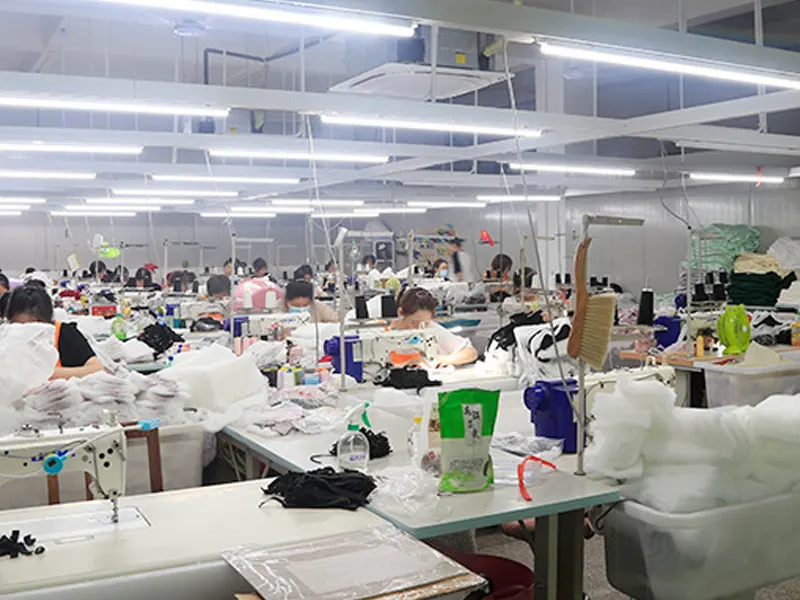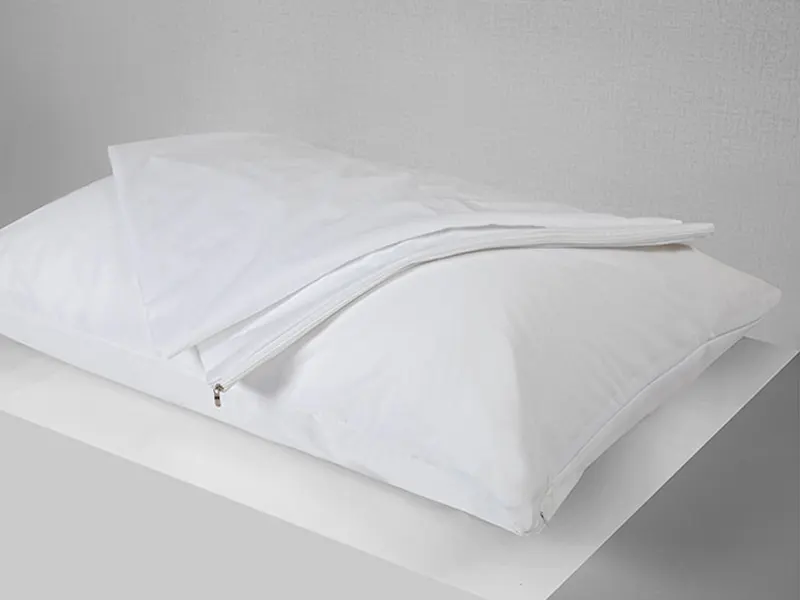

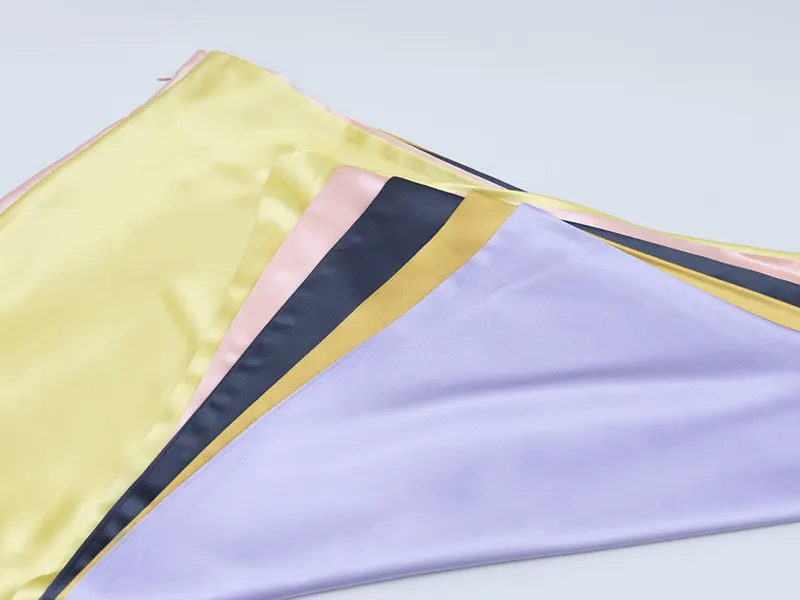
In the global home textile and beauty sleep markets, wholesale satin pillowcases have transitioned from a niche luxury product into a mainstream daily essential. E-commerce brands, boutique hotel chains, beauty product distributors, and retail importers are rapidly expanding their satin bedding lines. Driven by consumer awareness regarding hair health, skin hydration, and friction-reducing sleep accessories, the global demand for high-quality satin pillowcases continues to experience double-digit annual growth.
However, navigating the global supply chain to source reliable, high-margin, and high-quality satin pillowcases can be challenging. From distinguishing between standard polyester satin and high-grade poly-spandex blends to evaluating stitch density, seam strength, and private-label packaging options, bulk buyers must carefully balance manufacturing costs with product longevity.
This comprehensive B2B guide explores everything procurement managers, brand founders, and importers need to know about sourcing wholesale satin pillowcases directly from experienced manufacturers, optimizing unit margins, and scaling a successful bedding line.
Table of Contents
Why Wholesale Satin Pillowcases Are Driving High Profit Margins
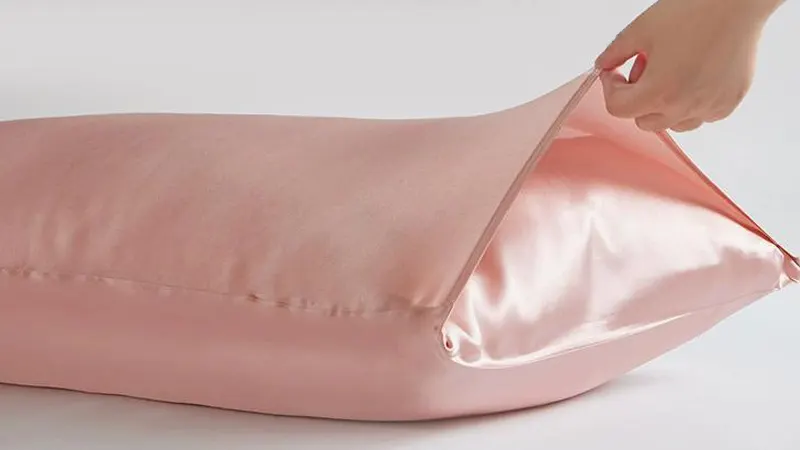
For retail brands and distributors, satin pillowcases offer one of the most favorable cost-to-margin ratios in the textile industry. Unlike pure mulberry silk, which requires intensive agricultural production and delicate care, satin provides a virtually identical tactile experience—a glossy, ultra-smooth surface—at a fraction of the raw material cost.
Key Market Advantage Factors:
- Broad Consumer Appeal: Satin appeals directly to the booming “beauty sleep” market. It is widely recommended by dermatologists and hairstylists to reduce friction, prevent hair frizz, and minimize sleep lines on delicate skin.
- Superior Durability & Easy Maintenance: High-density satin constructed from premium synthetic filament yields exceptional tensile strength. It withstands frequent commercial laundering without losing its luster, making it an ideal choice for both hospitality buyers and everyday consumer retail.
- Higher Profit Margins: The lower cost of raw synthetic filament allows brands to achieve gross margins ranging between 60% and 80%, while maintaining attractive retail pricing points for end consumers.
Technical Fabric Breakdown: Choosing the Right Satin Material
Not all satin is created equal. “Satin” refers to a specific weaving technique—typically characterized by four or more warp threads floating over a single weft thread—rather than a raw material itself. When ordering wholesale satin pillowcases, buyers must specify the exact fiber construction, fabric weight (GSM), and finish to ensure consistent quality.
Common Material Formulations in B2B Production
| Fabric Specification | Typical GSM Range | Key Characteristics | Best Use Case |
| Standard Polyester Satin (Charmeuse) | 75 – 85 GSM | Lightweight, high shine, cost-effective | Entry-level promotional products, high-volume retail |
| High-Density Microfiber Satin | 90 – 110 GSM | Silky hand-feel, reduced static, low shrinkage | Premium retail bedding, salon merchandise |
| Poly-Spandex Stretch Satin | 110 – 130 GSM | Flexible stretch, luxuriously heavy drape, ultra-soft | Luxury sleepwear brands, high-end private label lines |
| Recycled Polyester (rPET) Satin | 85 – 105 GSM | Eco-friendly certification (GRS), soft texture | Sustainable consumer brands, eco-conscious hospitality |
When sourcing from a specialized manufacturer like Mengfangge Technology Co., Ltd., specifying high-density micro-satin (90+ GSM) prevents the common issues seen in lower-grade alternatives, such as thread slipping, seam tearing, and excessive static accumulation.
Structural Craftsmanship & Factory Quality Control
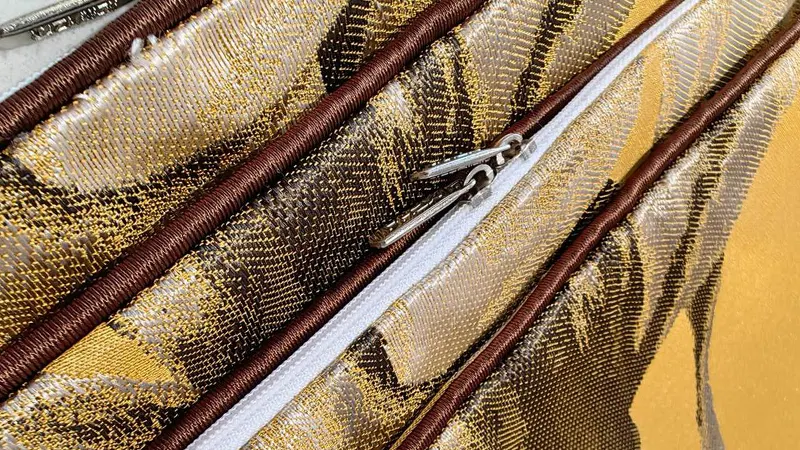
A premium satin pillowcase must maintain structural integrity under continuous friction and frequent washing. When evaluating manufacturer samples, B2B buyers should inspect three critical structural details:
A. Seam Construction and Stitching Density
Satin fabric is inherently slippery, making precision cutting and stitching paramount. Reputable original equipment manufacturers (OEMs) utilize overlock safety stitching combined with a minimum of 10 to 12 stitches per inch (SPI). High SPI prevents seam splitting and frayed edges after washing.
B. Closure Types: Zipper vs. Envelope Design
- Hidden Zipper Closure: Provides a sleek, modern aesthetic and keeps the pillow core securely encased. High-volume orders should specify brand-name zippers (such as YKK or custom color-matched nylon zippers) with reinforced box-tacking at both ends to prevent zipper head pop-outs.
- Classic Envelope Closure: Eliminates hard hardware completely, making it highly suitable for commercial laundry systems. A deep envelope flap (minimum 15 cm to 20 cm) ensures the pillow core stays completely hidden during use.
Customization & OEM Branding Options for B2B Clients
Standing out in a competitive e-commerce marketplace requires bespoke manufacturing options. Working directly with a custom pillowcase factory allows brands to tailor every aspect of their product catalog.
+-----------------------------------------------------------------------------------+
|                        OEM/ODM CUSTOMIZATION WORKFLOW                             |
+-----------------------------------------------------------------------------------+
|  1. Material Selection  -->  2. Custom Color Matching  -->  3. Brand Tagging      |
|  (Polyester / Spandex)       (Pantone TCX / PMS)           (Woven / Satin Label)  |
+-----------------------------------------------------------------------------------+
|  4. Pattern & Printing  -->  5. OEM Packaging         -->  6. Quality Inspection  |
|  (Sublimation / Screen)      (Custom Gift Box/Polybag)     (AQL 2.5 Standard)     |
+-----------------------------------------------------------------------------------+
- Pantone Color Matching: Manufacturers can match solid dye lots precisely to your brand’s official Pantone (PMS/TCX) color palette, ensuring color uniformity across multiple production runs.
- Digital Sublimation Printing: For custom patterned satin pillowcases (such as floral prints, geometric graphics, or animal prints), high-precision digital sublimation printing penetrates deep into the polyester fibers without altering the silky hand-feel.
- Private Labeling & Branding: Custom woven labels, satin brand tags, care instructions, and custom-printed embroidery (e.g., logo monograms) can be directly integrated during the assembly phase.
Packaging Solutions for Retail & E-Commerce
Packaging plays a decisive role in customer satisfaction, unboxing reviews, and shipping efficiency. Factory partners offer customized packaging tailored to your specific sales channel:
- E-Commerce Minimalist Packaging: Sealed polybags or frosted zipper bags featuring custom barcodes, SKU stickers, and suffocation warnings, optimized for direct Amazon FBA or 3PL warehouse fulfillment.
- Retail-Ready Gift Boxes: Rigid magnetic closure boxes, slide-out drawer boxes, or eco-friendly kraft paper sleeves with clear windows that highlight the fabric’s natural sheen on retail store shelves.
- Matching Satin Storage Pouches: Packaging the satin pillowcase inside a drawstring pouch made of the exact same fabric adds significant perceived value for luxury consumers.
Comparing Satin vs. Silk: A Strategic Purchasing Perspective
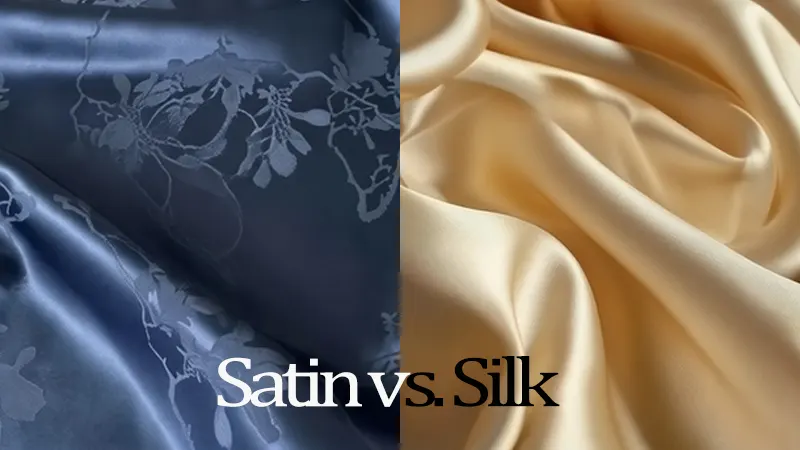
B2B procurement agents frequently weigh the advantages of satin against natural silk. Understanding the differences helps brands position their product lines effectively in their target markets.
       +-------------------------------------------------------------+
       |                  Satin vs. Silk Comparison                  |
       +-------------------------------------------------------------+
       |  Feature            |  Synthetic Satin  |  Mulberry Silk    |
       +---------------------+-------------------+-------------------+
       |  Raw Material       |  Poly / Spandex   |  Natural Silkworm |
       |  Wholesale Cost     |  Low - Medium     |  Very High        |
       |  Machine Washable   |  Yes              |  Delicate/Hand    |
       |  Tensile Strength   |  High             |  Moderate         |
       |  Retail Margin %    |  60% - 80%        |  30% - 50%        |
       +---------------------+-------------------+-------------------+
While mulberry silk carries prestige, wholesale satin pillowcases dominate volume sales because they deliver identical hair and skin friction reduction while being machine washable, highly durable, and significantly more affordable for everyday consumers. For an in-depth breakdown of natural silk manufacturing standards, refer to industry trade literature on Mulberry Silk Grading Standards and textile fiber testing protocols at the Textile Exchange Industry Standards Guide.
How to Partner with Pillow Mfg for Your Wholesale Orders
Sourcing directly from an established factory eliminates intermediary markups and guarantees stringent quality control throughout the manufacturing process. Mengfangge Technology Co., Ltd. Custom Production Services provides complete end-to-end support for custom bedding brands, hospitality procurement managers, and wholesale distributors globally.
Our Factory Manufacturing Advantages:
- Low Minimum Order Quantities (MOQs): Flexible starting volumes designed to help boutique brands launch and test new colorways without excessive inventory liability.
- Rapid Sample Turnaround: Physical sample prototypes, including custom color dyes and embroidery, produced and dispatched within 5 to 7 business days.
- Strict Quality Audits: Every unit undergoes thorough needle inspection, thread trimming, and dimensional verification according to international AQL 2.5 standards prior to export.
- Global Logistics Support: Direct shipping arrangements including DDP (Delivered Duty Paid), air freight express, and full container sea freight directly to your designated warehouse or Amazon distribution center.
To maintain international product safety standards, synthetic bedding textiles should adhere to safety certifications such as OEKO-TEX Standard 100 Testing Protocol, ensuring raw fabrics are completely free from harmful substances and heavy metals.
Step-by-Step OEM Procurement Checklist for Bulk Buyers
When placing a bulk order for wholesale satin pillowcases, follow this structured procurement checklist to prevent misunderstandings and ensure flawless production execution:
- Define Target Specifications: Establish required size dimensions (Standard 20×26″, Queen 20×30″, King 20×36″), GSM density, fabric composition, and closure type.
- Request Pre-Production Samples: Evaluate sample seam strength, zipper action, color accuracy, and hand-feel before approving full-scale mass production.
- Specify Packaging & Labeling Requirements: Provide vector artwork for brand tags, barcode labels, washing care instructions, and retail packaging.
- Confirm Testing & Compliance Certificates: Verify fabric compliance (e.g., OEKO-TEX certification, reach compliance, or flammability standards where applicable).
- Establish Inspection Parameters: Agree on AQL inspection thresholds and delivery terms (FOB, CIF, or DDP) prior to final contract signing.
By aligning with a dedicated, experienced production partner, your business can build a highly profitable, scalable, and resilient satin pillowcase product line that satisfies consumer demand worldwide.