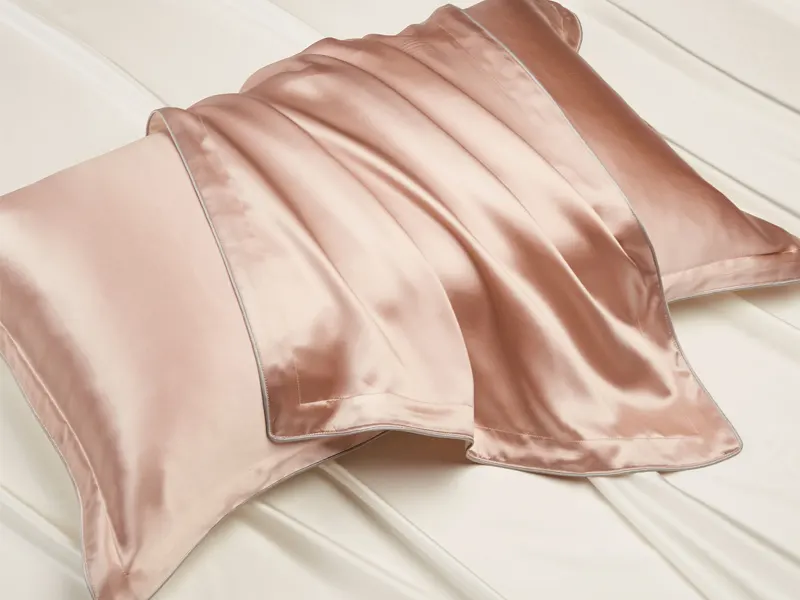
In recent years, the global sleep wellness and luxury bedding market has experienced explosive growth. Consumers no longer view pillowcases as mere household utility items—they are recognized as essential daily self-care products, skin-hydrating sleep accessories, and hair-care essentials. For e-commerce entrepreneurs, boutique bedding retailers, and beauty brands, entering this space through private labeling offers one of the highest ROI opportunities in the home textile industry.
However, moving from concept to a thriving product line requires finding the right private label pillowcase suppliers. Your supplier choice determines your product quality, profit margins, brand reputation, and long-term scalability.
This comprehensive guide breaks down everything you need to know about sourcing, customizing, and scaling private label pillowcases with Mengfangge Technology Co., Ltd..
Table of Contents
What is Private Labeling in the Pillowcase Industry?
Before diving into supply chain logistics, it is critical to understand how private label manufacturing works for home textiles.
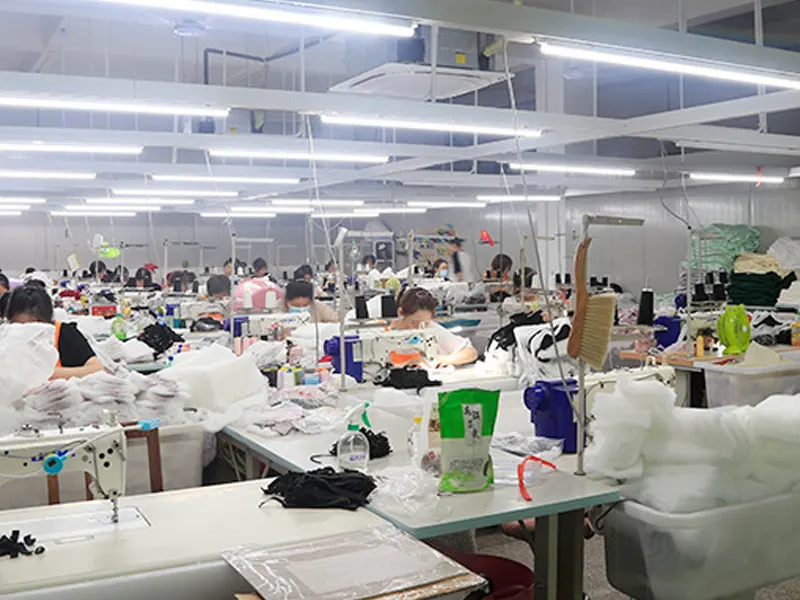
In simple terms, private label manufacturing involves hiring a third-party factory to produce pillowcases under your brand name, logo, design specifications, and customized packaging.
OEM vs. ODM Manufacturing
When searching for private label pillowcase suppliers on Mengfangge Technology Co., Ltd., you will encounter two primary manufacturing models:
- OEM (Original Equipment Manufacturer): You provide the complete technical specifications (tech packs, fabric GSM/momme weight, dimensions, stitching styles, custom dyes, and packaging artwork). The factory acts strictly as the production engine.
- ODM (Original Design Manufacturer): The supplier offers pre-designed, high-performing pillowcase templates, fabric blends, and standard sizes. You select existing products, apply your custom brand tags, logos, and retail packaging, and launch quickly with minimal design overhead.
Key Advantage of Private Labeling: Private labeling combines the high-margin benefits of proprietary product design with the low capital overhead of outsourced manufacturing.
Choosing the Right Fabrics for Private Label Pillowcases
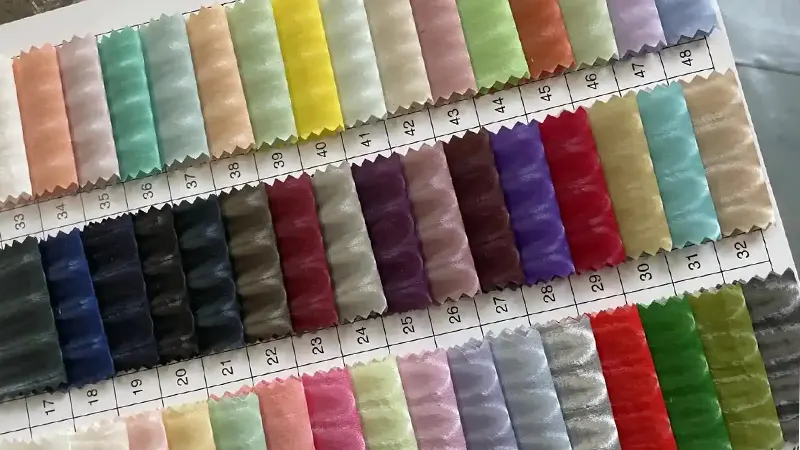
The success of your pillowcase line hinges on material selection. Different customer segments prioritize different features, ranging from anti-aging skin benefits to thermal regulation and eco-friendly organic fibers.
FABRIC COMPARISON OVERVIEW
| Fabric Type | Key Target Audience | Target Price | Distinct Features |
| Mulberry Silk (6A) | Luxury, Beauty, Hair | High / Premium | Hydrating, Anti-friction |
| Satin (Polyester) | Budget Beauty, TikTok | Entry / Low | Silky feel, Low cost |
| Organic Cotton | Eco-conscious, Daily | Mid-Tier | Breathable, GOTS certified |
| Bamboo Viscose | Hot Sleepers, Wellness | Mid / High-Mid | Cooling, Moisture-wicking |
| French Linen | Aesthetic, Rustic | High-Mid | Durable, Breathable |
1. Pure Mulberry Silk (19, 22, and 25 Momme)
Pure Mulberry silk is the undisputed holy grail of the luxury pillowcase market. Derived from Bombyx mori silkworms fed exclusively on mulberry leaves, Grade 6A silk features long-strand fibers that create an ultra-smooth, hypoallergenic surface.
- 19 Momme: Lightweight, entry-level luxury silk.
- 22 Momme: The golden standard for luxury beauty pillowcases—offers optimal durability, weight, and luster.
- 25 Momme: Ultra-luxurious, heavy-weight silk designed for high-end boutique lines.
To explore customizable silk grades and weave specifications, check out PillowMfg’s Custom Silk Pillowcases.
2. Satin (Sateen Polyester Weave)
Polyester satin mimics the sheen and friction-reducing benefits of real silk at a fraction of the raw material cost. It is ideal for high-volume Amazon FBA sellers, subscription boxes, and entry-level beauty brands targeting price-sensitive consumers.
3. Bamboo Viscose & Rayon
Bamboo pillowcases have gained rapid market share among “hot sleepers.” Bamboo fibers offer natural temperature-regulating properties, high moisture absorption, and extreme softness.
4. Certified Organic Cotton
Organic cotton (Percale or Sateen weaves) appeals to eco-conscious consumers who prioritize breathability, machine washability, and natural, unbleached textiles. Ensure your organic cotton source aligns with standards defined by the Global Organic Textile Standard (GOTS).
Key Customization Features to Differentiate Your Brand
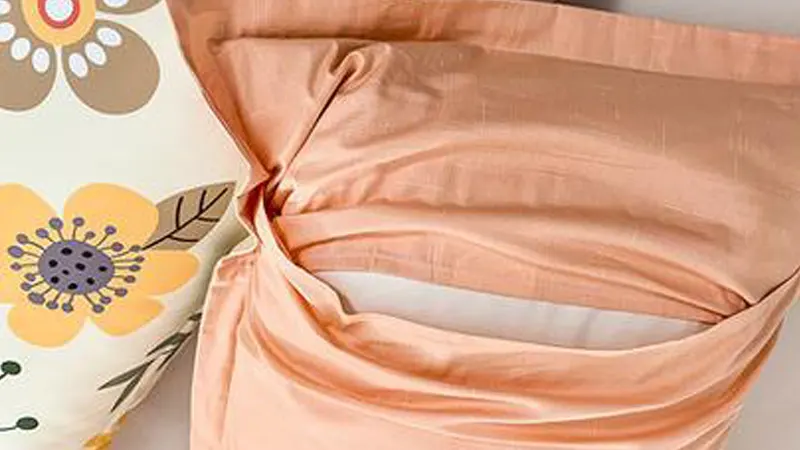
Standard white pillowcases are a commodity; a unique private label brand is an asset. Reliable private label pillowcase suppliers should offer extensive customization capabilities to help your brand stand out in crowded online marketplaces like Amazon Marketplace and Shopify store ecosystems.
Closure Designs
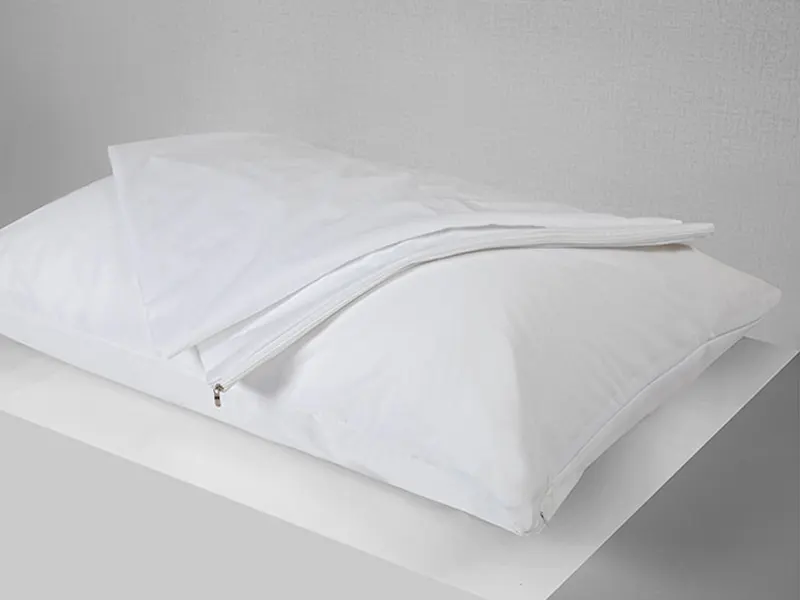
- Hidden Zipper: Provides a sleek, tailored fit that prevents the pillow from slipping out. Ensure your supplier uses high-grade YKK or color-matched nylon zippers.
- Envelope Closure (French Cuff): Eliminates hardware altogether. Requires careful pattern sizing (typically a 15–20cm overlapping flap) so the inner pillow remains completely covered.
- Piping & Oxford Borders: Adds a decorative border (flange) around the edges for a classic hotel-luxury aesthetic.
Branding & Logo Application Methods
- Woven Fabric Labels & Care Tags: Custom-printed or woven satin labels sewn into the inner seam.
- Direct Embroidery: High-precision thread embroidery for subtle, elegant logo placement.
- Digital Reactive Printing: Allows full-bleed custom pattern prints and intricate artistic patterns without compromising fabric softness.
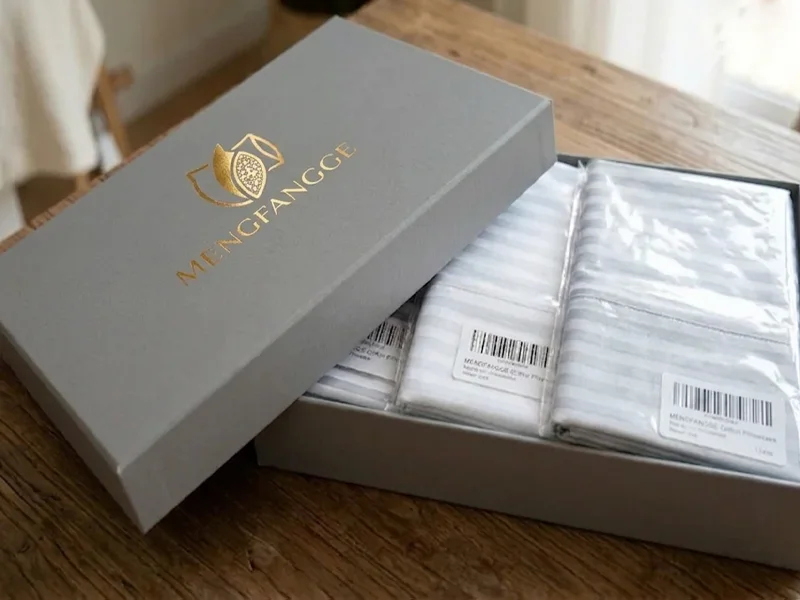
Custom Retail Packaging
Packaging is often the first physical touchpoint a customer has with your brand. Top suppliers offer end-to-end custom packaging solutions:
- Rigid drawer gift boxes with magnetic closures.
- Eco-friendly biodegradable craft envelopes with custom foil stamping.
- Reusable satin or silk drawstring travel pouches.
Learn more about custom packaging options on Mengfangge Technology Co., Ltd.
How to Evaluate & Select Private Label Pillowcase Suppliers
Finding a factory online is easy; finding a reliable, long-term manufacturing partner requires thorough vetting. Here are the core factors to evaluate when analyzing potential suppliers:
1. Minimum Order Quantity (MOQ) Flexibility
If you are launching a new brand, high MOQs (e.g., 5,000 units per color) can drain your initial working capital. Look for flexible suppliers like Mengfangge Technology Co., Ltd. that offer tiered MOQs (starting as low as 100–300 units for stock colorways or standard sizes).
2. Sample Verification & Prototyping
Never place a full production run without ordering physical samples. Evaluate the following during sample inspection:
- Stitch Density: Look for 10 to 12 stitches per inch (SPI) with double-stitched reinforced edges.
- Fabric Weight & Hand Feel: Verify the actual momme weight or thread count using fabric GSM scales.
- Color Accuracy: Check color matching against your target Pantone codes under natural light.
3. Production Capacity and Turnaround Times
Ask potential suppliers about their peak-season capacity, standard lead times for raw material sourcing, sample creation (typically 5–7 days), and mass production timelines (typically 15–25 days).
4. Supply Chain Transparency & Certifications
Ensure your supplier complies with global safety and environmental regulations. Look for international textile certifications such as OEKO-TEX Standard 100, which guarantees that finished fabrics are free from harmful chemicals, heavy metals, and toxic dyes.
Step-by-Step Guide: Launching Your Line with PillowMfg
Launching your custom pillowcase line is a straightforward process when following a structured timeline:
Step 1: Define Your Target Niche & Specifications
Determine your target price point, core material (e.g., 22 Momme Silk vs. Bamboo), pillow dimensions (Standard, Queen, King, or Body Pillow), and color palette.
Step 2: Request Tech Packs & Sample Production
Contact Mengfangge Technology Co., Ltd. to submit your specifications or request stock fabric swatch cards. Order pre-production samples with your custom branding and packaging.
Step 3: Conduct Quality Inspections
Test your pre-production samples thoroughly:
- Perform a colorfastness test (wash cycle testing).
- Check seam strength by applying stress to zipper endpoints.
- Verify dimensional stability after laundering.
Step 4: Place Mass Production Order & Freight Forwarding
Once samples are approved, place your initial order. Coordinate freight arrangements—air express (DHL/FedEx) for fast 5–7 day delivery, or sea/ocean freight for bulk cost optimization.
Common Supply Chain Pitfalls (And How to Avoid Them)
- Mislabeled Fabric Quality: Some unverified suppliers blend polyester into silk fabrics. Always request independent fiber content testing reports or OEKO-TEX verification documents.
- Ignoring Shrinkage Allowances: Pre-washed fabrics or built-in dimensional allowances (1–2%) ensure pillowcases fit properly after consumer washing.
- Inadequate Packaging Protection: Silk and fine cotton items must be individually packed in polybags or sealed packaging to protect against moisture and friction damage during transit.
Scale Your Pillowcase Brand Today
Building a profitable home textile brand requires high-quality products, reliable supply chain execution, and strong margins. By partnering with dedicated, experienced private label pillowcase suppliers, you can focus on building your brand equity while leaving factory operations to textile specialists.
Ready to launch or scale your pillowcase collection? Visit Mengfangge Technology Co., Ltd.
today or contact our production team directly to Get a Free Quote & Sample Kit.